Scented Candle Manufacturer & Supplier



Scented Candles and Home Decor: B2B Innovation Trends
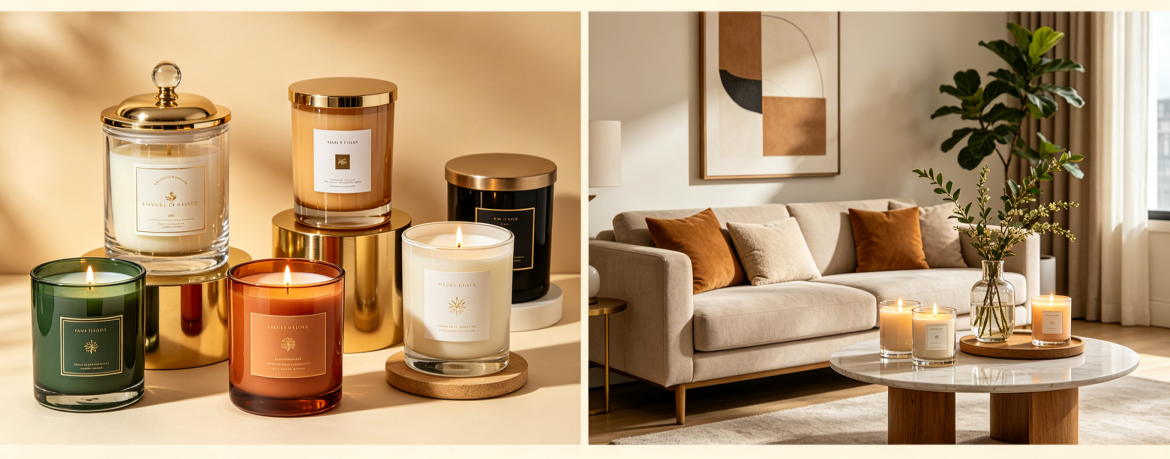
Today’s scented candles are much more than just a pleasant fragrance. They have become a key part of how we style and enjoy our homes. For B2B buyers—including retailers, hotel groups, and private label brands—this opens up exciting new opportunities. Scented Candles and Home Decor are now integrated: candles are no longer just seasonal gifts, but year‑round décor items that can boost sales and strengthen brand identity.
Modern consumers buy candles for how they look and feel, not just how they smell. This shift turns candles into high-margin lifestyle products that fit into broader interior design trends.
Understanding this connection between scent and style helps B2B businesses create products that sell better, look great on shelves, and keep customers coming back.
How Candles Complete Modern Home Styles
A candle today is a two-in-one product. It provides soft light and a beautiful fragrance, but it also acts as a decorative object. People choose candles that match their sofa, their wall color, and their overall home vibe.
A candle’s design—its jar, color, and texture—needs to harmonize with popular interior styles to truly succeed as a décor piece.
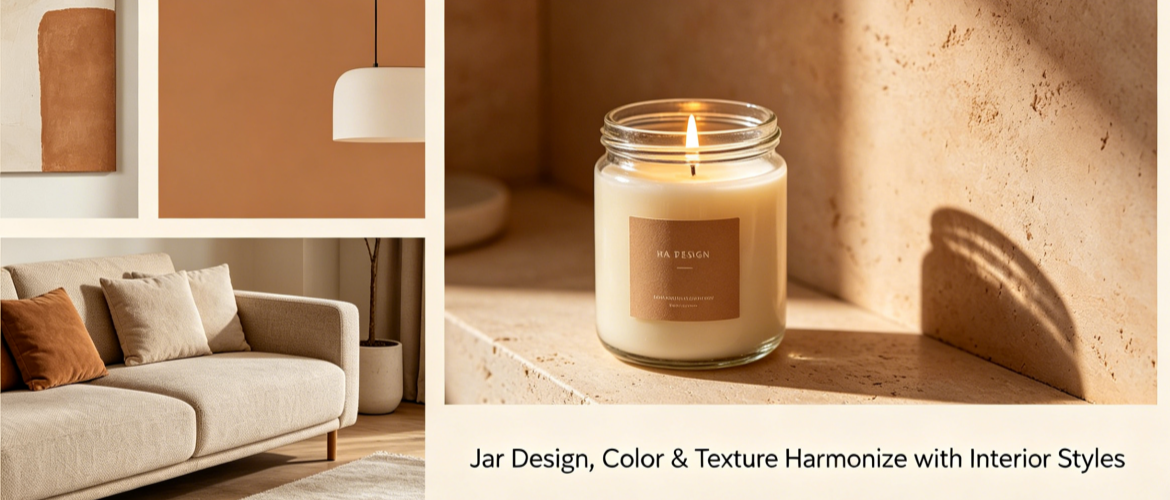
Matching Candles to Popular Interior Themes
- Minimalist & Quiet Luxury: Think clean lines, neutral colors (beige, white, gray), and matte finishes. These candles blend in seamlessly, adding a touch of calm sophistication without clutter.
- Boho & Organic: Here, texture is king. Ceramic pots, raw edges, earthy tones (terracotta, sage green), and natural materials like wood or jute feel right at home. Scents are often herbal or woody.
- Modern & Urban: Sleek glass, geometric shapes, and monochrome colors (like black or frosted white) work well. These candles look like sculptural art pieces, perfect for a contemporary apartment or a boutique hotel lobby.
- Cozy & Transitional: Soft, rounded jars in cream or warm wood tones create a welcoming feel. Gourmand scents like vanilla or cinnamon add to the snug, inviting atmosphere.
The B2B Advantage: When a candle aligns with a décor style, it sells consistently throughout the year. It’s no longer just a holiday product—it has become an essential accessory for customers who regularly refresh their living spaces. This trend toward Scented Candles and Home Decor means retailers can enjoy steadier orders and reduce seasonal sales pressure.
The Design Trends Shaping Buyer Demand
What makes someone pick one candle over another on a shelf? Often, it’s the design. Visual appeal now frequently beats out fragrance as the first thing that catches a customer’s eye.
Current trends are all about looking expensive but simple, feeling natural to the touch, and being cleverly designed for more than one use.
Key Trends for 2026
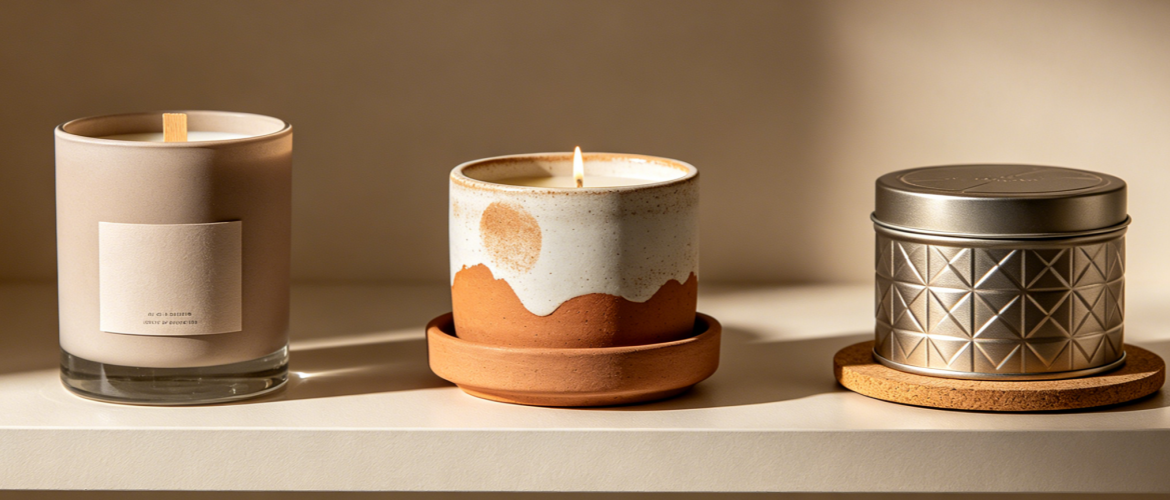
- Artistic Shapes: Candles with unique, asymmetrical, or sculptural jars stand out. They’re seen as decor first, candle second.
- Natural, Muted Colors: Dusty pinks, clay tones, olive greens, and cloudy whites are in. These versatile colors match any room and photograph beautifully for social media.
- Interesting Textures: Matte finishes, ribbed glass, and embossed details invite people to touch the product. This tactile experience adds perceived value.
- Multi-Use Design: The most innovative candles are designed for life after the wax is gone. A beautiful jar can become a vase, a planter, or a makeup brush holder. This “two-for-one” value justifies a higher price point.
- Timeless Style: Less “trendy” and more “classic” design ensures a candle won’t look dated next season. This gives retailers confidence to buy in larger quantities.
Why It Matters for B2B: Buyers for home goods stores are actively looking for these design-led candles. They know these products have a longer shelf life, attract a style-conscious customer, and command better profit margins than basic, fragrant-only candles.
Building a Lifestyle Brand, Not Just a Candle Line
The biggest opportunity lies in not selling a single candle, but in selling a feelingor a complete look. Successful brands integrate candles into a broader lifestyle story.
By grouping candles with complementary products and creating cohesive collections, you encourage customers to buy more and build a deeper connection with your brand.
Smart Integration Strategies
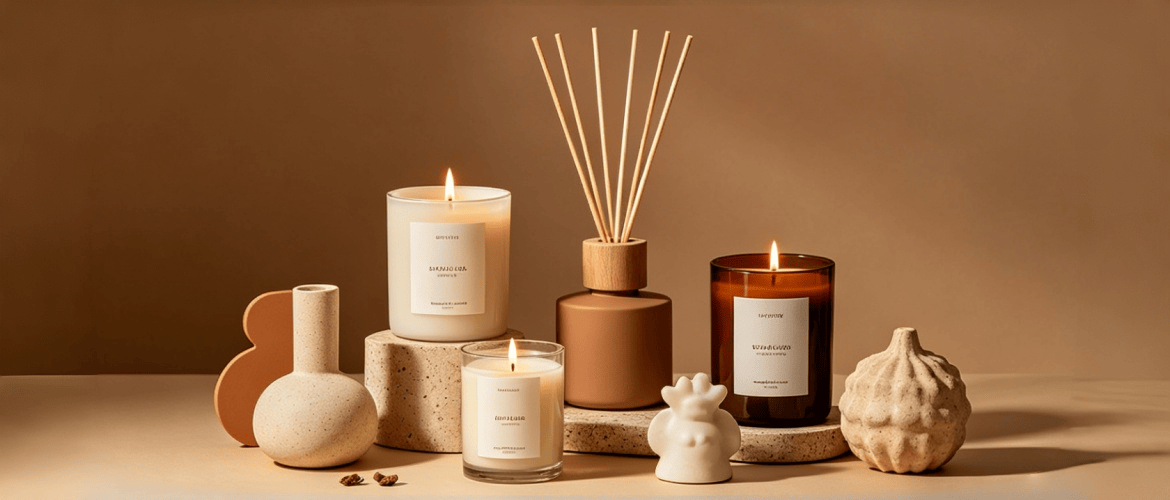
- Create Coordinated Sets: Don’t just sell a candle. Sell a “Self-Care Evening” kit with a candle, a linen spray, and a bath soak. Or a “Coffee Table Styling Set” with a candle, a coffee table book, and a ceramic tray. Bundles increase the average order value.
- Think by Room: Develop scents and designs specifically for the bedroom (calming), kitchen (fresh), or living room (inviting). This helps retailers merchandise easily and guides customers to build a scent profile for their entire home.
- Design for Social Media: Beautiful, photogenic packaging isn’t a luxury; it’s a marketing tool. Candles that look amazing in an Instagram post get shared, driving free advertising and faster sell-through for retailers.
- Launch Limited “Drops”: Small, seasonal collections tied to a trend (e.g., “Alpine Escape” in winter) create excitement and urgency. They give loyal customers a reason to check back and buy again.
The Result: This approach moves your product from a simple consumable to an essential part of a customer’s identity and home. For B2B partners, it means you’re supplying a strategic brand asset, not just inventory.
Why Décor-Focused Innovation Drives B2B Growth
In a crowded market, competing on scent alone or on price is a race to the bottom. The path to sustainable growth is through design-led innovation.
Focusing on décor turns your candles into unique, harder-to-copy products that open new sales channels and build more profitable, long-term partnerships.
The Concrete Business Benefits
- Escape Price Wars: A uniquely designed candle isn’t compared to a cheap generic one. You can maintain premium pricing and healthier margins.
- Open New Doors: Décor-forward candles appeal to furniture stores, interior designers, boutique hotels, and real estate stagers—channels that wouldn’t stock a basic scented candle.
- Become a Strategic Partner: When you can help a retailer design a beautiful, best-selling home collection, you become more than a supplier; you become a valued partner in their success. This leads to larger, more consistent orders.
- Future-Proof Your Line: The desire for a beautiful, well-styled home isn’t going away. Brands that master the combination of scent, design, and function are building a business for the long term.
The fusion of Scented Candles and Home Decor is one of the most significant shifts in the B2B market. The candle that wins is no longer just the one that smells best, but the one that looks stunning on a shelf, feels special to touch, and fits perfectly into a customer’s vision for their home.
For B2B businesses, the message is clear: invest in décor-focused design, think in terms of lifestyle collections, and innovate beyond the fragrance. By doing so, you’ll create products that stand out, build brand loyalty, and deliver the kind of growth that price competition alone can never achieve. This isn’t just a trend; it’s the new standard for success.