Scented Candle Manufacturer & Supplier


Biodegradable Scented Candles in 2026: B2B Market Trends
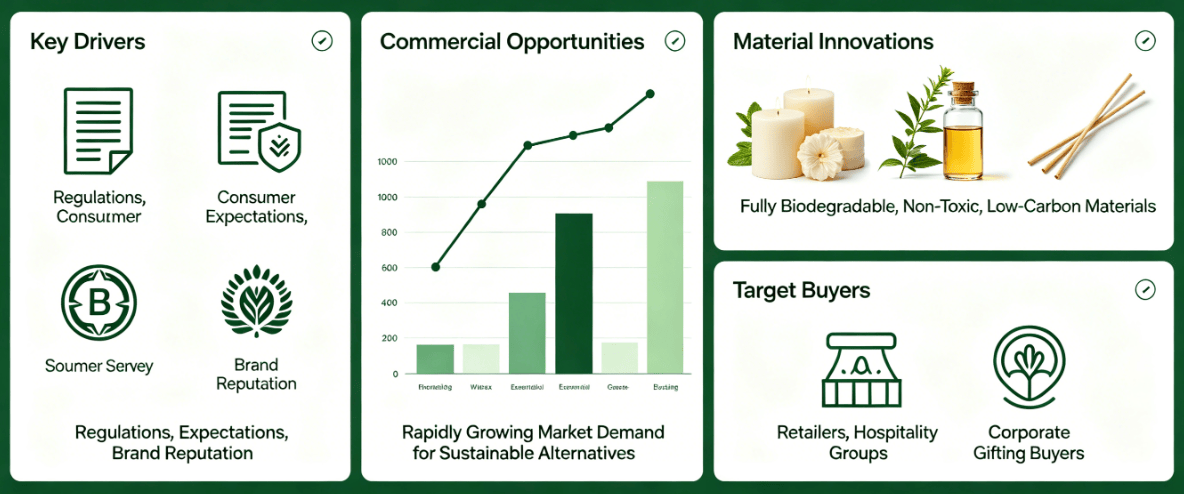
Entering 2026, sustainability is no longer a bonus—it’s a baseline requirement for corporate procurement. Biodegradable scented candles are rapidly transitioning from a niche eco-friendly option to a mainstream B2B sourcing standard. Retailers, hospitality groups, and corporate gifting buyers are actively seeking sustainable alternatives to traditional paraffin candles. This shift is driven by regulations, consumer expectations, and brand reputation, not just environmental goodwill.
Market demand for fully biodegradable, non-toxic, and low-carbon candles is growing fast. Understanding the key drivers, material innovations, and commercial opportunities is crucial for wholesalers and brands.
Why is the B2B Market Embracing Biodegradable Candles?
Several powerful forces are converging to drive this trend. Today, choosing sustainable products is a business necessity, not a marketing tactic.
Regulatory pressure, consumer expectations, health considerations, and circular economy principles are pushing biodegradable candles to the top of B2B procurement lists.
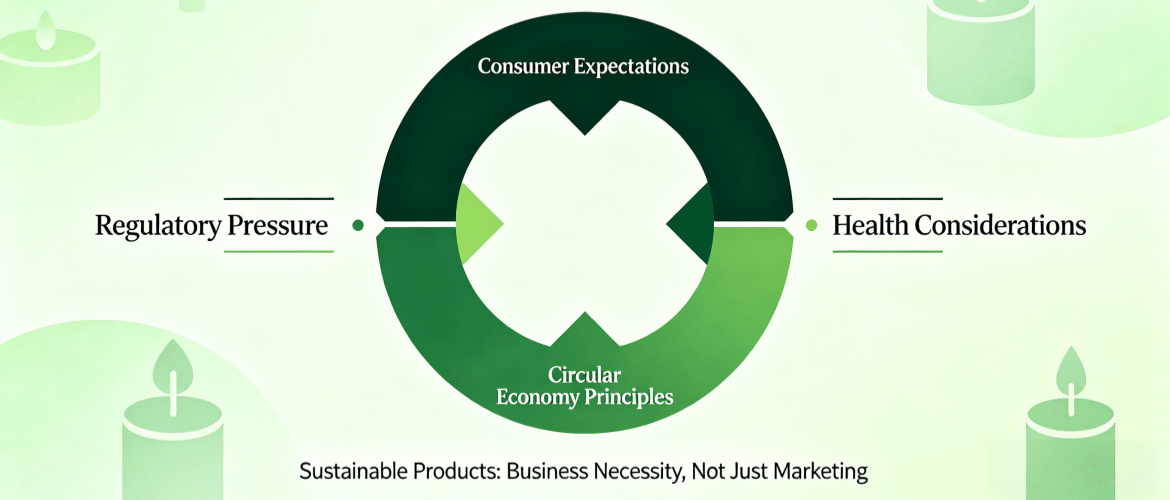
Four Core Drivers
- Regulations & Policy Markets like the EU, UK, and parts of North America are implementing restrictions on non-recyclable packaging and paraffin-based products. Major retailers are also setting internal sustainability standards, making shelf space difficult for non-compliant products.
- Shifting Consumer & Brand Expectations Over 60% of consumers now explicitly prefer natural, biodegradable candles. B2B buyers recognize that offering eco-friendly products significantly enhances brand image and attracts a broader customer base.
- Health & Safety Focus Biodegradable waxes like soy and coconut burn cleaner than paraffin, producing less soot and fewer potentially harmful emissions. Hotels, spas, and corporate offices increasingly prioritize safe, healthy environments for guests and employees.
- The Rise of the Circular Economy More brands and retailers are committing to zero-waste goals. Adopting biodegradable, refillable candle systems helps reduce waste disposal costs and lowers the overall carbon footprint.
Key Insight: Sustainability has become the “entry ticket.” B2B buyers evaluate not just the product, but its entire lifecycle impact.
What Materials Define Eco-Innovation in 2026?
Innovation in sustainable candles centers on materials. The 2026 market has evolved beyond simple soy wax to include a range of high-performance, renewable bio-based materials.
Next-generation plant-based waxes, non-toxic components, and full-lifecycle sustainable packaging now define the standard for eco-friendly candles.
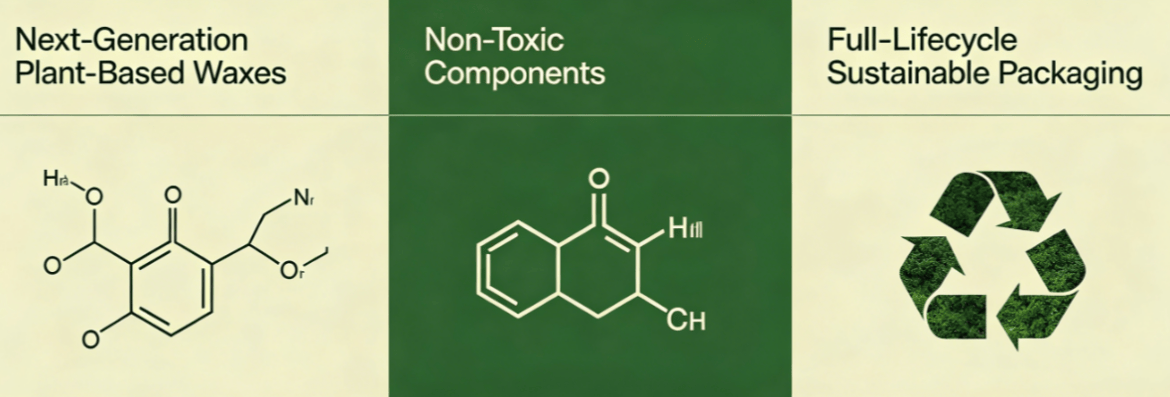
Innovative Biodegradable Wax Bases
- Soy & Coconut Blends: The current market standard. Clean-burning, renewable, and cost-effective.
- Beeswax: A natural, carbon-negative material with a long burn time, popular in luxury gifting and hospitality.
- Emerging Materials: Options like algae wax (lower carbon footprint) and PHA biopolymer wax (home-compostable) represent the future, though not yet mainstream.
Holistically Sustainable Components
Every part must meet the standard:
- Wicks: Lead-free and zinc-free cotton, hemp, or wood wicks.
- Fragrances: Phthalate-free, biodegradable fragrance oils or essential oils.
- Packaging: FSC-certified paper, plantable seed paper tags, and refillable glass/ceramic vessels are preferred. Mono-material designs aid recycling.
Procurement Standard: Leading B2B buyers now commonly require products to have authoritative compostability certifications (e.g., OK Compost) and provide transparent raw material sourcing data.
How Does Sustainability Influence 2026 Purchasing Decisions?
In 2026, sustainability has surpassed price and scent to become the primary decision-making factor for many B2B buyers. It influences every step of the procurement process.
From supplier vetting and product selection to order volume and risk management, sustainability criteria are integral and directly linked to commercial success.
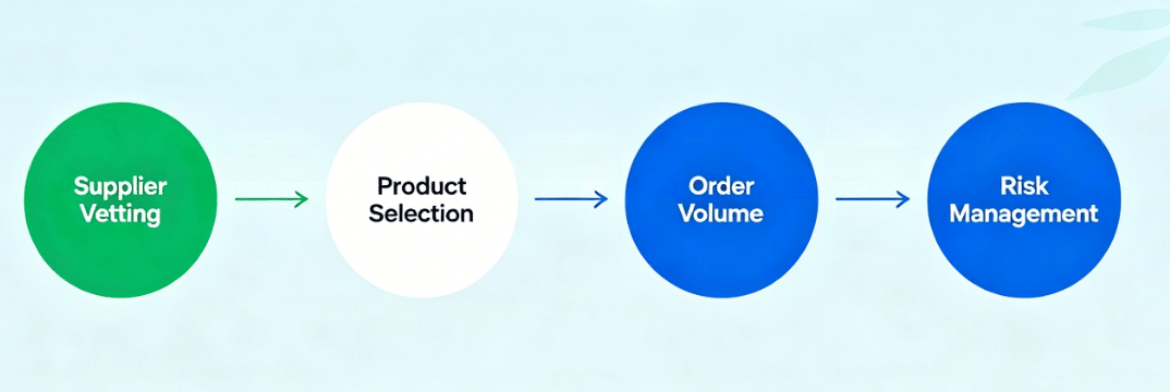
Key Impacts on the Decision Chain
- Supplier Qualification Threshold Nearly 70% of retail RFPs now exclude traditional paraffin candles. Buyers first screen suppliers for biodegradable materials and demand carbon footprint and waste data reports. ESG-aligned suppliers win major contracts more easily.
- Product Selection & Positioning Biodegradable product lines often secure better in-store placement and higher initial order volumes. Luxury buyers are willing to pay a 15%-25% premium.
- Order Volume & Customer Loyalty Data shows fully biodegradable SKUs have about 30% higher reorder rates. Retailers also allocate more shelf space to sustainable collections.
- Business Risk Mitigation In regulated markets, using non-eco materials can lead to fines or recalls. Brands also face reputational risk from eco-conscious consumers. Sustainable sourcing helps avoid these pitfalls.
The Core Shift: For B2B buyers, biodegradable candles have moved from a “nice-to-have feature” to a “business necessity,” critical for ensuring long-term sales stability and brand reputation.
Where are the Concrete Market Opportunities?
The growth of the biodegradable candle market opens up new, high-margin, less-competitive avenues for businesses of all types.
The luxury sector, private label, innovative niche models, and regional circular economy approaches all hold significant growth potential.
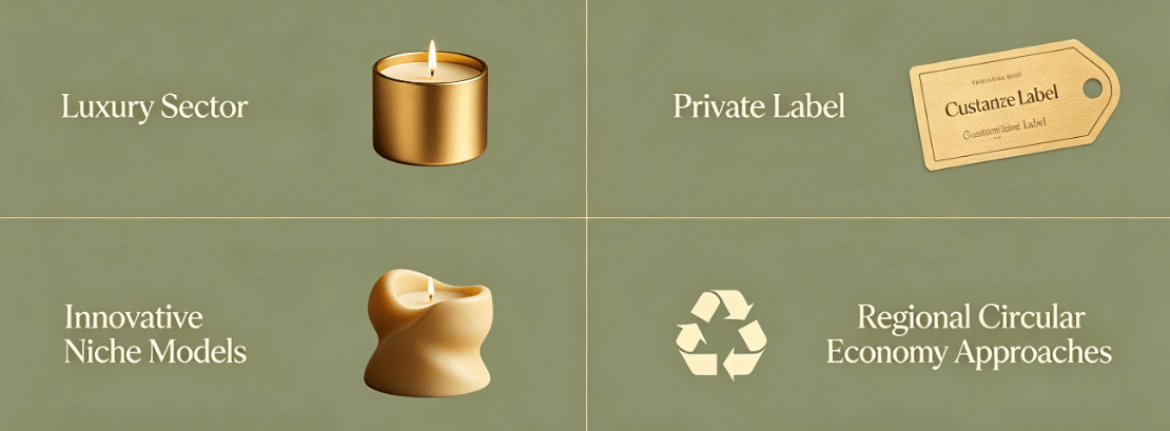
High-Potential Growth Areas
- Luxury & Premium B2B
- Five-Star Hotels & Resorts: Seek customized, biodegradable amenities with substantial profit margins.
- Corporate Gifting: Large corporations prioritize eco-friendly client gifts, often with higher price points.
- High-End Retail: Department stores and boutiques desire exclusive, designer biodegradable candle lines.
- Private Label & White Label
- Retail Chains: Are launching in-house eco-candle brands to capture better margins.
- Wellness Lifestyle Brands: Yoga studios, spas, and “clean beauty” retailers add complementary candle lines to reinforce their brand ethos.
- Innovative Niche Models
- Refillable Systems: Selling wax refills builds customer loyalty and creates recurring revenue streams.
- Commercial Bulk: Cafés, co-working spaces, and event planners have consistent demand for large-scale biodegradable candles.
- Certified Organic Lines: Products with USDA Organic or similar certifications can command 20-40% price premiums.
- Regional & Circular Economy Localized production shortens supply chains, while using upcycled materials (e.g., from food waste) creates unique brand stories and attracts specific market segments.
Market Outlook: The global B2B market for biodegradable scented candles is projected to reach $1.2 billion by 2027, with a growth rate far exceeding that of traditional candles. Demand for scalable, reasonably priced, high-quality sustainable solutions is clear and present.
Conclusion
In summary, by 2026, biodegradable scented candles are no longer just a trend—they are reshaping the foundation of B2B candle procurement.
Driven by an irreversible combination of regulation, consumer power, and ESG investing, sustainability is the new market standard. Suppliers who can deliver certified, scalable, and transparently sourced eco-solutions will gain a significant competitive edge in the fast-growing luxury, private label, and innovative business model segments.
For brands and retailers, embracing biodegradable candles is not merely an environmental gesture; it is a core business strategy essential for future viability and growth.