Private Label Scented Candle Manufacturer in China | IGNITION


Scented Candle Wholesale Trends in 2026 You Should Know
The wholesale candle market is evolving quickly. By 2026, successful businesses will do more than just sell candles—they’ll offer sustainable, wellness-centered experiences that customers truly value. Understanding the key Scented Candle Wholesale Trends shaping the industry is essential for making smart sourcing decisions and driving your business forward.
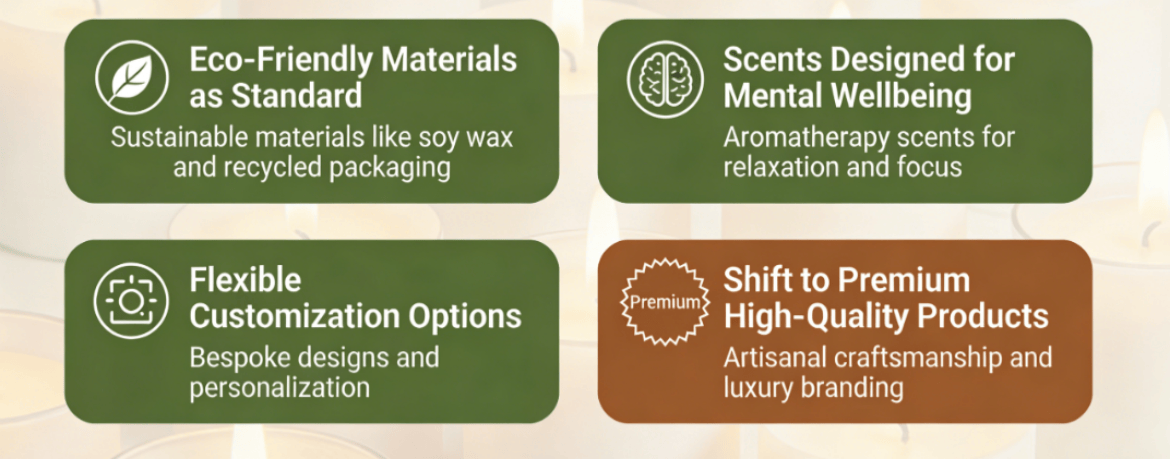
The 2026 wholesale candle market revolves around four major trends: eco-friendly materials as a standard, scents designed for mental wellbeing, flexible customization options, and a clear shift toward premium, high-quality products.
Let’s break down each trend to see how it impacts your buying strategy and where the biggest opportunities lie.
Why Sustainability is Now a Must-Have
Eco-friendly candles have moved from a niche preference to a market expectation. Both retailers and their customers now demand products that are good for people and the planet.
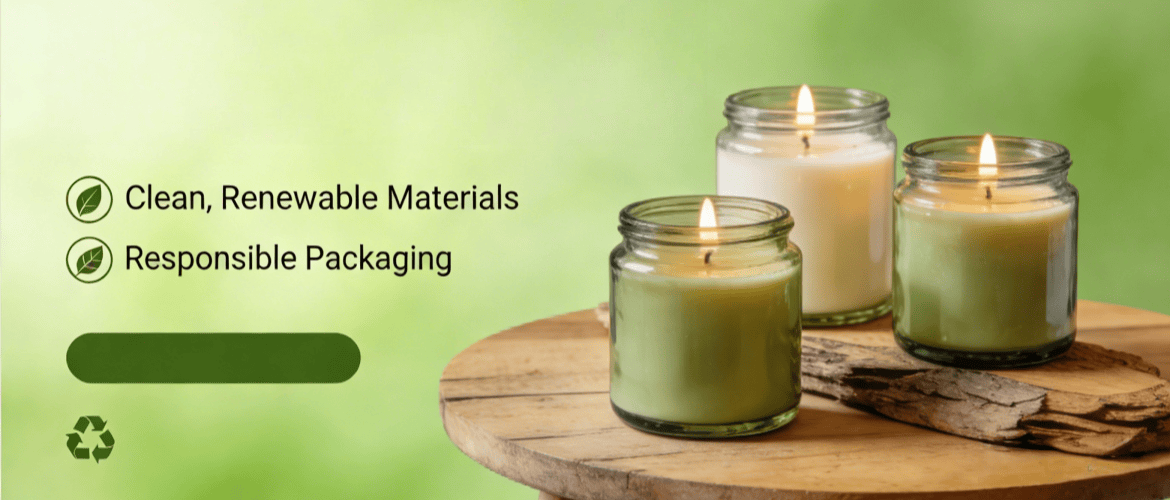
Buyers actively seek out candles made with clean, renewable materials and responsible packaging. Sustainability is no longer a bonus—it’s a baseline requirement for doing business.
The New Standards for Materials
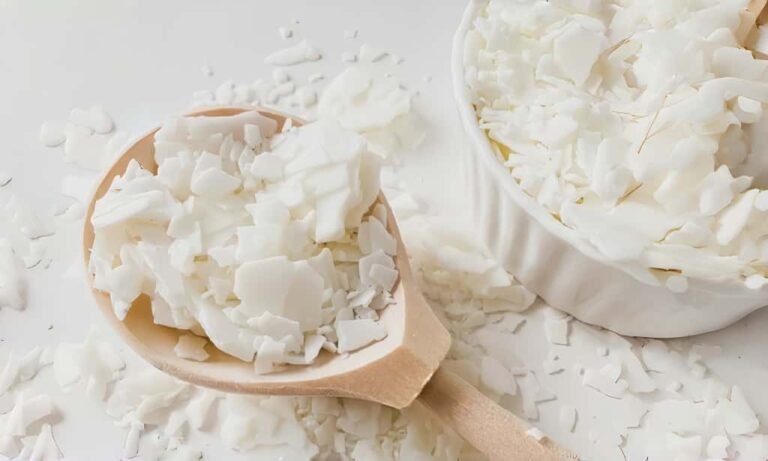
- Wax: Plant-based waxes like soy, coconut, and beeswax are now the norm, replacing paraffin. They offer a cleaner burn and come from renewable sources.
- Packaging: Recyclable glass jars, cardboard sleeves, and plastic-free materials are standard. Many brands also design jars to be reused as drinking glasses or planters.
- Fragrance: Clean, non-toxic scents made without phthalates or other harmful chemicals are in high demand.
What This Means for Your Business
Sourcing sustainable candles isn’t just about ethics—it’s smart business. These products often command higher prices, attract a loyal customer base, and meet the strict requirements of many major retailers. In 2026, a strong sustainability story is a powerful tool for standing out.
How Wellness is Shaping Scents and Design
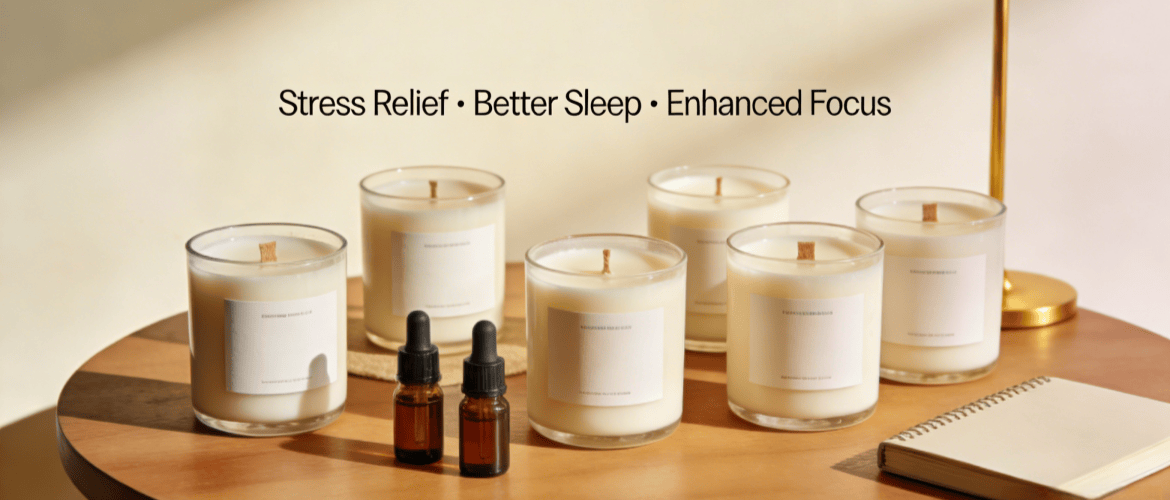
Candles are no longer just for making a room smell nice. Today, people use them as tools for self-care, to manage stress, improve sleep, or boost focus.
Wellness-focused candles sell an experience and a benefit, not just a fragrance. Scents are carefully crafted to influence mood and support mental wellbeing.
The Rise of Functional Fragrances
Scent profiles are now designed with specific outcomes in mind:
- For Relaxation: Lavender, chamomile, and sandalwood to unwind after a long day.
- For Energy: Bright citrus, mint, or eucalyptus to create an uplifting atmosphere.
- For Focus: Herbal notes like rosemary, sage, or green tea to help with concentration.
The Wellness Aesthetic
The design follows the function. Wellness candles often feature:
- Calming Colors: Soft neutrals, muted tones, and minimalist labels.
- Clean Design: Simple, uncluttered packaging that promotes a sense of calm.
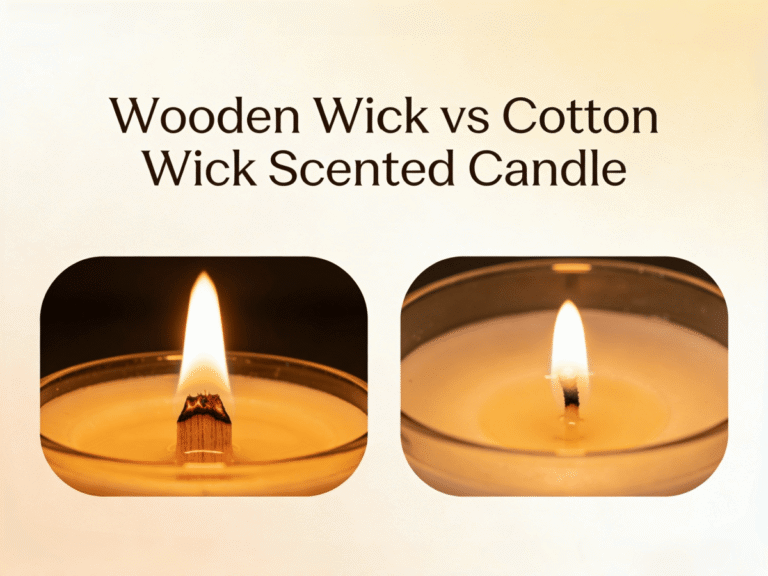
- Multi-Sensory Elements: Textured vessels or the gentle crackle of a wooden wick to enhance the relaxing experience.
Why It’s a Key Opportunity
This trend opens doors to new markets like corporate wellness, hotel amenities, and spa retail. Buyers are looking for candles that tell a story of relaxation and self-care, which allows for stronger branding and healthier profit margins.
The Demand for Flexible Customization
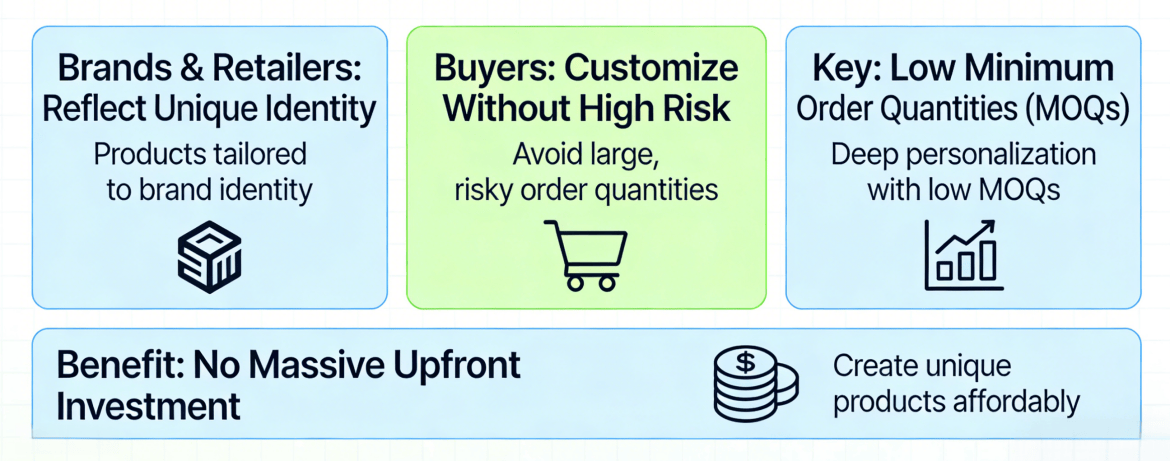
Brands and retailers want products that reflect their unique identity. In 2026, customization is expected, but buyers don’t want to be locked into huge, risky order quantities.
The winning formula is deep personalization with low minimum order quantities (MOQs). Buyers want to create a unique product without a massive upfront investment.
What Buyers Want to Customize
- Scent: Developing a signature fragrance or choosing from a curated library of exclusive blends.
- Packaging: Custom labels, jars, and boxes that align perfectly with their brand’s look and feel.
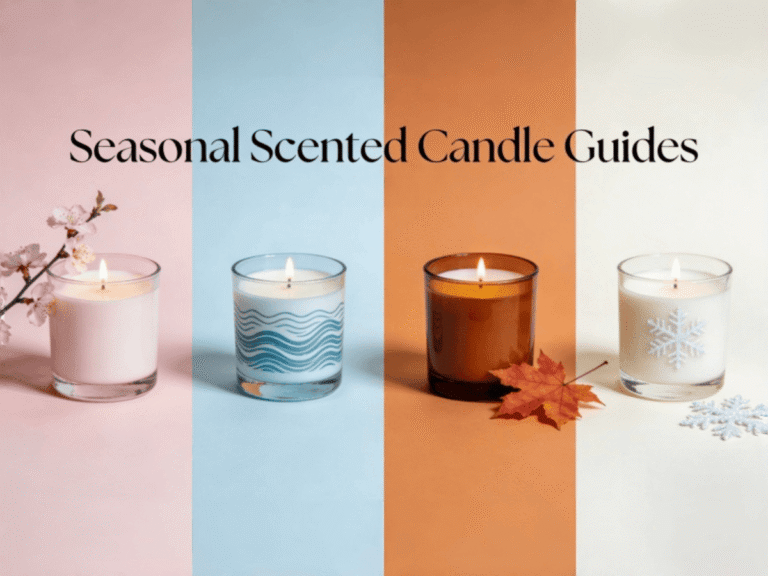
- Collections: Creating seasonal lines, limited editions, or themed gift sets that tell a specific story.
The New Rules of Custom Orders
Gone are the days of 10,000-unit minimums for a custom jar. Suppliers are using technology like digital printing and flexible tooling to offer:
- Lower MOQs: Making custom orders accessible for smaller businesses.
- Faster Turnaround: Reducing the development and production time for new designs.
- Modular Systems: Offering refillable candles or mix-and-match components for greater flexibility.
The Business Advantage
Offering or sourcing customizable candles creates a powerful point of difference. It builds brand loyalty, allows for premium pricing, and lets retailers respond quickly to new trends.
The Shift Toward Premium Quality
Consumers are trading up. They’re willing to pay more for candles that offer a superior experience, last longer, and feel like a special treat.
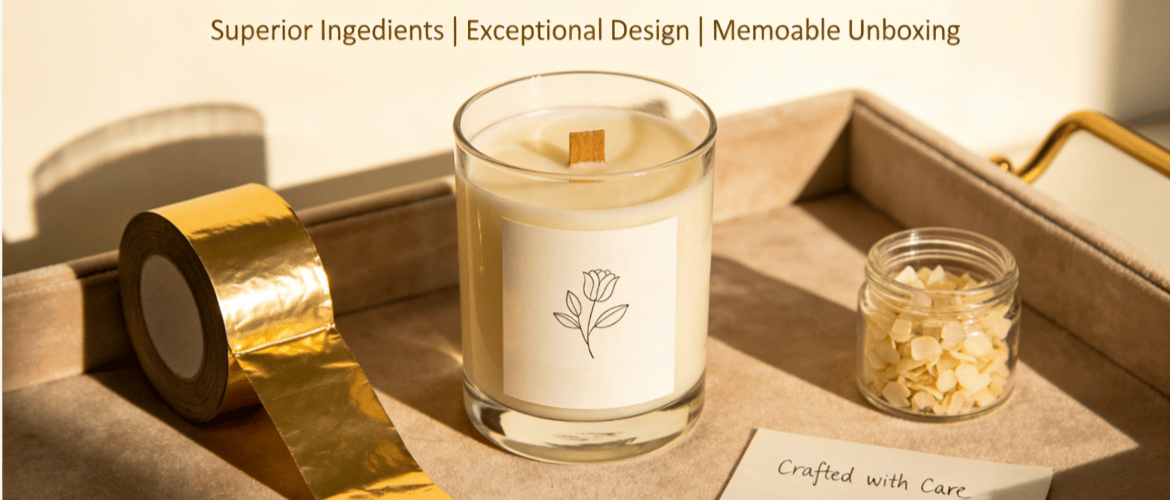
Premiumization is about justifying a higher price with tangible quality—better ingredients, exceptional design, and a memorable unboxing experience.
What Makes a Candle “Premium”
- Higher Quality Ingredients: Denser wax blends for longer burn times, and a higher concentration of fragrance oils for a stronger, longer-lasting scent.
- Luxurious Design: Weighted jars, unique vessel shapes, matte finishes, and embossed details.
- Artisanal Story: Emphasis on small-batch production, hand-pouring, and the craftsmanship behind the product.
The Premium Buyer’s Mindset
These customers aren’t just buying a candle; they’re buying a moment of luxury, a beautiful home accessory, or a thoughtful gift. The product needs to look and feel special from the moment the box is opened.
Impact on Wholesale
This trend opens a valuable niche. Premium candles deliver significantly higher profit margins and attract customers who prioritize quality over price. For wholesalers, it means focusing on suppliers committed to exceptional materials and craftsmanship. Tapping into this Scented Candle Wholesale Trends can help you build a competitive edge in the market.
Conclusion
The 2026 wholesale candle market is dynamic and increasingly shaped by value-driven Scented Candle Wholesale Trends. Success will depend on aligning your product selection with what today’s buyers prioritize: responsible production, functional wellness benefits, brand-aligned customization, and undeniable quality.
By understanding and embracing these four key areas—sustainability as a standard, wellness as a purpose, customization as a differentiator, and premium quality as a profit driver—you can make informed sourcing decisions, build a compelling product lineup, and position your business for growth in the year ahead.