Scented Candle Supplier



When Should I Use Scented Candles?
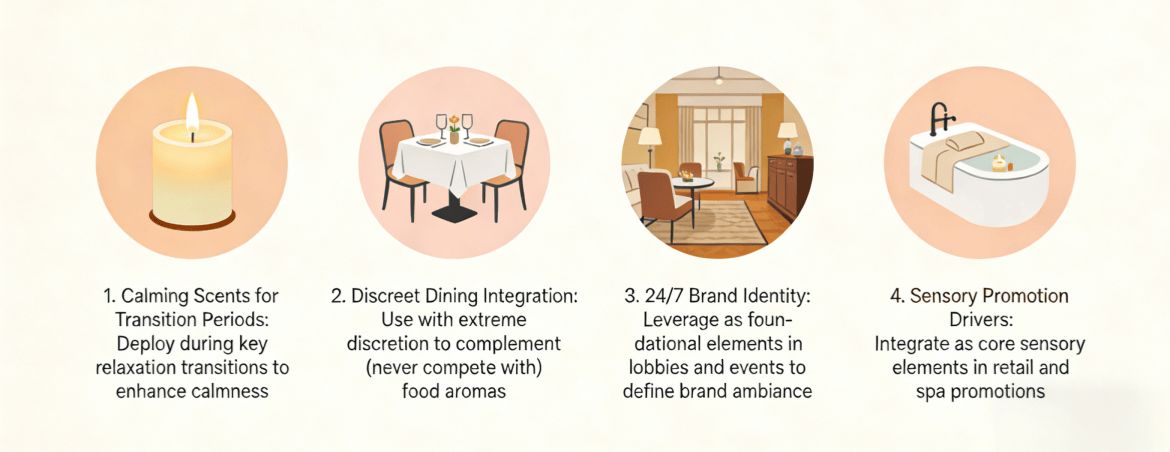
Use scented candles to intentionally shape atmosphere and influence behavior: deploy calming scents during key transition periods for relaxation, use with extreme discretion in dining to complement (never compete with) food, leverage them as foundational elements to define 24/7 brand identity in lobbies and events, and integrate them as core sensory drivers in retail and spa promotions.
Let’s explore the ideal timing, scent strategy, and practical execution for four key commercial scenarios. This guide will help you deploy candles with precision and purpose.
When Are Candles Best for Creating a Relaxing Atmosphere?
The optimal time for relaxation candles is during evening hours (post-5 PM), at arrival/check-in moments, and within designated ‘pause’ spaces. Use light-to-medium intensity scents like lavender, chamomile, and sandalwood during these periods to effectively guide the nervous system toward calm.
Strategic Timing, Scent Science, and Environmental Cues
Relaxation is a state orchestrated by time, environment, and sensory input.Strategic candle use aligns all three elements.
Identifying Key “Relaxation Windows” in Commercial Settings
Candles have maximum impact when introduced at natural transition points or within intentionally designed restful environments.
- The Evening Wind-Down : In hotel lounges, boutique hotel lobbies, or upscale restaurant bars, the shift from daytime activity to evening leisure is a critical psychological window. Introducing warm candlelight paired with calming scents signals a deliberate change in the space’s purpose, encouraging guests to decompress.
- The Arrival/Check-In Transition: The moment a guest enters a hotel, spa, or wellness center, they are often transitioning from external stress. A gently scented candle at reception (e.g., green tea or fresh linen) can immediately begin lowering perceived stress and creating a sanctuary feeling.
- Designated “Pause” Zones: In corporate wellness rooms, medical clinic waiting areas, or library reading nooks, candles should be used continuously. Their consistent presence defines the zone’s purpose: an area for mental respite, quiet reflection, and deliberate calm.
Crafting the Calm: Scent Selection and Implementation Protocol
The goal is subtle, supportive ambiance, not overwhelming stimulation.
- Scent Profile Based on Science: Choose notes with documented calming properties: Lavender (reduces anxiety), Chamomile (soothes), Sandalwood/Cedarwood (grounds), and Vanilla (provides comfort).
- Intensity & Placement Protocol: Keep intensity light-medium. The scent should be discovered, not announced. Place candles on stable side tables near seating in lounges, or use a single central candle in waiting areas. Avoid high-traffic walkways.
- Operational Timing: Light candles 30 minutes before the target relaxation period begins (e.g., before evening lounge service opens) to allow the scent to establish.
When Should Candles Be Used to Enhance Dining Experiences?
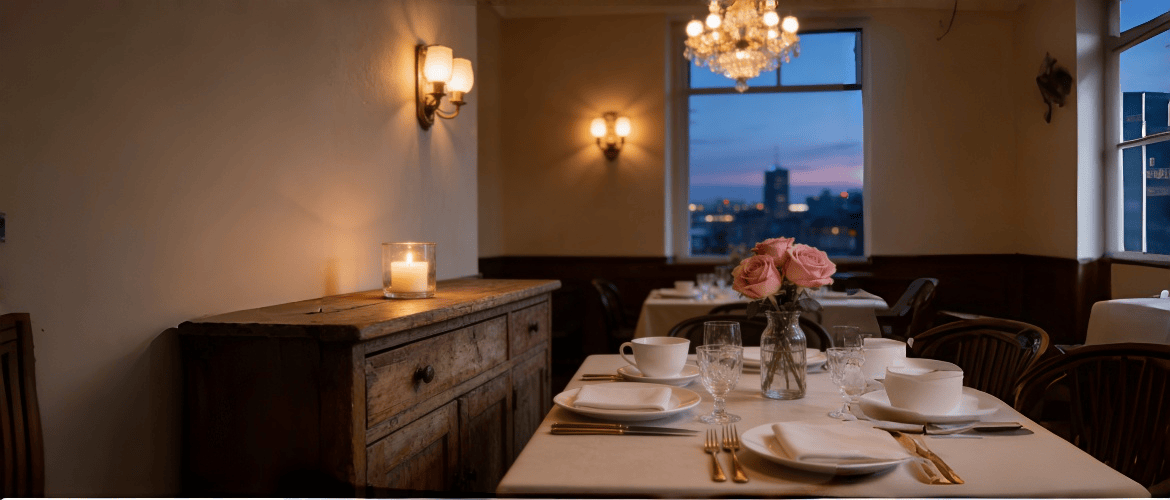
In dining areas, prioritize the candle’s visual role over its olfactory role. If using scent, select only ultra-mild, clean, or directly food-complementary notes (like citrus or fresh herbs). Place them away from the table—at host stands, service stations, or in restrooms—never directly on dining tables during service.
The Science of Olfactory Competition and Strategic Placement
Up to 80% of perceived taste comes from smell. Any ambient scent directly competes with the carefully crafted aromas of your cuisine.
The Non-Negotiable Golden Rule: Never Interfere with the Plate
This principle dictates all subsequent decisions:
- Fine Dining / Wine-Centric Venues: Use only unscented, dripless candles. The flickering light provides romance and visual warmth without any risk of olfactory pollution. The focus must remain entirely on the culinary and oenological journey.
- Casual or Themed Restaurants: Mild, complementary scents may be permissible if applied surgically. For example, a hint of lemon verbena in a seafood restaurant, or a whisper of smoky cedar in a barbecue joint. The scent must feel like a natural, subtle extension of the cuisine’s aroma profile.
Strategic Perimeter Scenting and Zoning
Since the dining table itself is a “scent-free zone,” scent must be applied in the broader environment with precision.
- Entryway & Host Stand: A lightly scented candle here sets a welcoming first impression before guests are seated with food.
- Restrooms: A clean, fresh scent (e.g., white tea, cucumber) enhances the perception of overall hygiene and care.
- Service Stations or Bar Tops: A single, mild candle can add to general ambiance without directly impacting diners.
- Between Seatings: Use a fresh, cleansing scent like eucalyptus to “reset” the air during cleaning breaks, extinguishing it before the next seating.
Decision Matrix: Scenting the Dining Room
| Scenario | Recommended Candle Use | Core Reasoning |
|---|---|---|
| High-End Tasting Menu | Unscented only. Dripless tapers for elegant, pure light. | Absolute purity of taste and aroma is paramount and non-negotiable. |
| Casual Café or Bistro | Unscented or very mild ‘clean cotton’. Small votive on table acceptable. | Ambiance is key, but food aromas are simpler and less easily masked. |
| Outdoor Patio Dining | Citronella or herbal-scented candles. Functional use for light & insects. | Scent serves a clear, practical purpose and blends with the outdoor environment. |
| Hotel Breakfast Buffet | Avoid scented candles completely. Use bright lighting. | Positive morning aromas of coffee, pastries, and fruit should not be altered. |
When Are Candles Appropriate for Events and Hotel Lobbies?
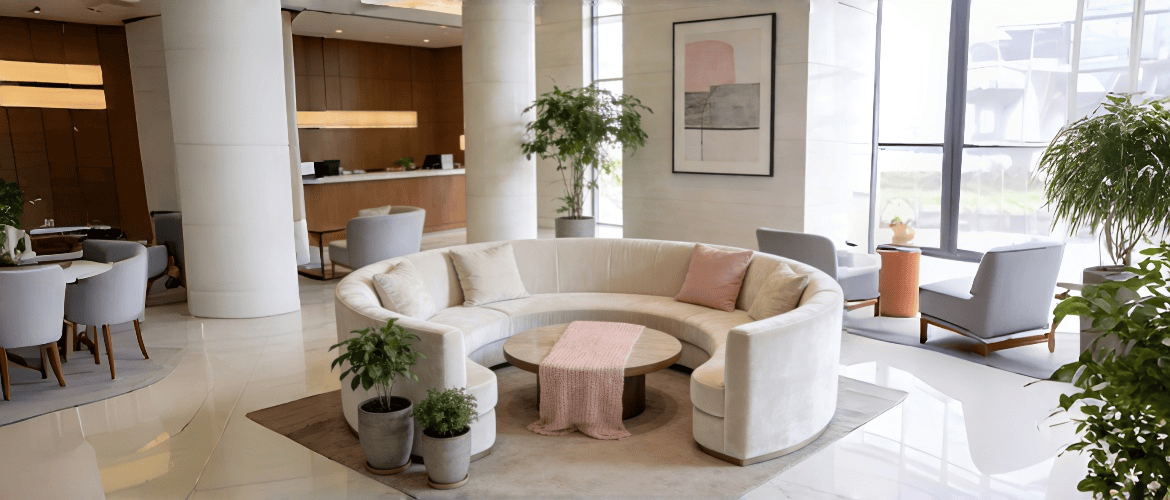
Candles are essential 24/7 in hotel lobbies to convey core brand warmth and luxury. For events, they are indispensable during evening receptions, weddings, wellness gatherings, and corporate functions to create visual focal points, define intimate atmospheres, and reinforce thematic narratives through curated scent and display.
Lobby as Brand Home and Event as Immersive Experience
In these applications, candles transcend decoration to become tools of environmental branding and experiential design.
Hotel Lobbies: The 24/7 Branded Living Room
A lobby is the brand’s “living room,” requiring a consistent, welcoming atmosphere at all hours.
- Timing: Constant operation. A core ensemble of candles should burn continuously in key zones (reception, main seating). Intensity can be augmented during peak evening hours.
- Scent Strategy: This is the primary stage for your signature scent logo. The lobby fragrance becomes synonymous with the hotel’s identity—choose a sophisticated, universally appealing, medium-strength blend (e.g., white tea and ginger).
- Scale & Visual Weight: Use clusters, not single candles. Groupings of 3-5 pillars of varying heights, or lines of votives along surfaces, create necessary visual mass and ensure even scent diffusion.
- Operational Rigor: For 24/7 use, mandate commercial-grade candles in heat-resistant vessels and implement a strict staff protocol for wick trimming, soot cleaning, and scheduled replacement.
Event Design: Creating Thematic Immersion with Candles
Candles offer unmatched flexibility for transforming temporary spaces.
- Ideal Event Applications:
- Weddings & Receptions: For romance. Use masses of pillars on tables, lines along aisles, or in dramatic installations.
- Wellness Retreats: For grounding. Use natural soy wax candles with earthy scents (frankincense, palo santo).
- Corporate Galas & Launches: For branded sophistication. Use candles in company-branded vessels or with a custom launch scent.
- Holiday Parties: For nostalgic warmth. Use seasonal scents like cinnamon, pine, or spiced apple.
Event Candle Planning & Execution Checklist
| Planning Element | Candle Consideration | Professional Execution Example |
|---|---|---|
| Theme Cohesion | Vessel style and scent must align perfectly (e.g., nautical, rustic, glam). | Rustic wedding: mason jar candles with a cedarwood and lavender blend. |
| Scale Calculation | Space volume dictates quantity. Guideline: 1 candle per 2 sqm for visual impact. | Large ballroom: 50+ table candles plus 10 large standing pillar arrangements. |
| Safety Compliance | Adhere to venue fire codes. Use dripless candles, hurricanes, and non-flammable bases. | Always have a dedicated staff member monitoring candles and a fire plan. |
| Timing & Logistics | Light 30 mins pre-guest arrival. For events >4 hours, have replacement candles staged. | Schedule a mid-event check/replacement for candles burning down. |
For B2B suppliers, offering curated event candle packages (rental or sale) is a high-value service, providing clients with a turnkey ambiance solution and ensuring professional-grade execution.
When Is Scented Candle Use Ideal for Retail or Spa Promotions?
Scented candles are powerful promotional catalysts during seasonal campaigns, loyalty program initiatives, new product/service launches, and collaborative pop-ups. They work by creating a limited-time, multi-sensory experience that increases dwell time, differentiates your offer, and seamlessly converts scent appreciation into direct sales and brand advocacy.
Sensory Marketing Mechanics and Experiential Promotion Design
A promotional candle is not a mere giveaway; it’s a vehicle for experiential marketing and tangible brand extension.
Strategic Promotional Occasions for Candle Integration
- Seasonal & Holiday Campaigns: The most intuitive fit. A “Summer Breeze” launch with a coconut-lime candle, or a “Hearthside” winter promo with a spiced cider scent. The candle acts as the campaign’s thematic and sensory anchor.
- Loyalty Program Enhancement: Move beyond points. Offer an exclusive, members-only candle scent. This creates a physical, desirable benefit that reinforces perceived membership value and integrates your brand into the customer’s home.
- New Product/Service Launch: For a spa’s new “Detox” treatment, co-develop a “Purifying Eucalyptus” candle. Burning it in the spa during the launch creates a full sensory preview and offers a purchasable take-home extension of the experience.
- Collaborative Pop-Ups & Cross-Promotions: Partner with a complementary brand. Create a co-branded candle scent available only at the pop-up (e.g., “Lavender & Linen” with a bedding store). This drives mutual traffic and creates collectible exclusivity.
Structuring High-Impact Candle-Centric Promotions
| Promotion Type | Candle’s Strategic Role | Execution & Primary Business Goal |
|---|---|---|
| Gift-with-Purchase (GWP) | As a premium, high-perceived-value incentive. | “Spend over $200, receive our exclusive Spa-Day candle.” Goal: Increase average transaction value (ATV). |
| Limited Edition Launch | As the hero product driving urgency. | Launch a new seasonal scent for 6 weeks only. Promote via in-store scent sampling stations. Goal: Drive foot traffic and create scarcity-driven purchases. |
| Customer Appreciation | As a token of gratitude to deepen emotional loyalty. | Gift a custom-votives to top-tier loyalty members on their anniversaries. Goal: Enhance retention and surprise/delight key customers. |
| Thematic In-Store Event | As both ambiance creator and core product. | Host a “Winter Wellness Evening.” The store is scented with the featured pine candle, which is also bundled for sale. Goal: Increase dwell time and create an experiential purchase context. |
Maximizing On-Site Impact: The Experiential Layer
The promotion must be lived, not just seen.
- Scent-Zoning: Ensure the promotional scent is actively burning at the store entrance and key display areas throughout the campaign.
- Interactive Sampling: Provide testers for cold sniffing. For spas, allow a brief experience of the candle lit in a treatment room.
- Strategic Bundling: Create experiential bundles (e.g., candle + bath salts + linen spray). This increases unit sales and reinforces the themed experience.
- Staff as Ambassadors: Train staff to knowledgeably share the scent’s story and the promotion’s details, turning a transaction into a narrative.
Track direct sales of the promotional candle, monitor lift in ATV during GWP periods, count new loyalty sign-ups, and monitor social media for user-generated content featuring the candle. Positive sentiment in customer feedback is a direct indicator of emotional engagement.
Conclusion
Use scented candles not just when you need light, but when you need to strategically guide psychology (relaxation), meticulously enhance a core experience (dining), architect a space’s identity (lobbies/events), or power a multi-sensory marketing objective (promotions). Intentional timing and strategic application are what transform candles from a commodity into a competitive advantage.