Scented Candle Supplier



Are Scented Candles Harmful to Pets?
Business clients appreciate the ambiance created by scented candles but are often concerned about pet-safe scented candles—especially in homes with pets, pet-friendly hotels, or retail spaces. An incident involving a pet could lead to serious liability issues and damage the reputation of client brands, such as pet boutiques or vacation rental properties. By understanding the specific risks that certain candle ingredients pose to cats and dogs, you can source and recommend genuinely pet-conscious products, providing your clients with confidence and peace of mind.
Scented candles can pose risks to pets through toxic essential oils, respiratory irritants in smoke, and pet-specific sensitivities. Choosing candles with safe ingredients, proper ventilation, and informed placement minimizes these dangers.
Let’s address the key concerns. We’ll provide clear, actionable information you can pass on to your pet-owning clients.
Do Certain Fragrances Affect Cats and Dogs Differently?
You want candles that are safe for all pets, but cats and dogs process scents and chemicals very differently.A fragrance that seems harmless to humans or even dogs can be severely toxic to cats, creating a hidden risk for multi-pet households.By understanding the biological differences, you can curate fragrance options and provide precise guidance to your clients.
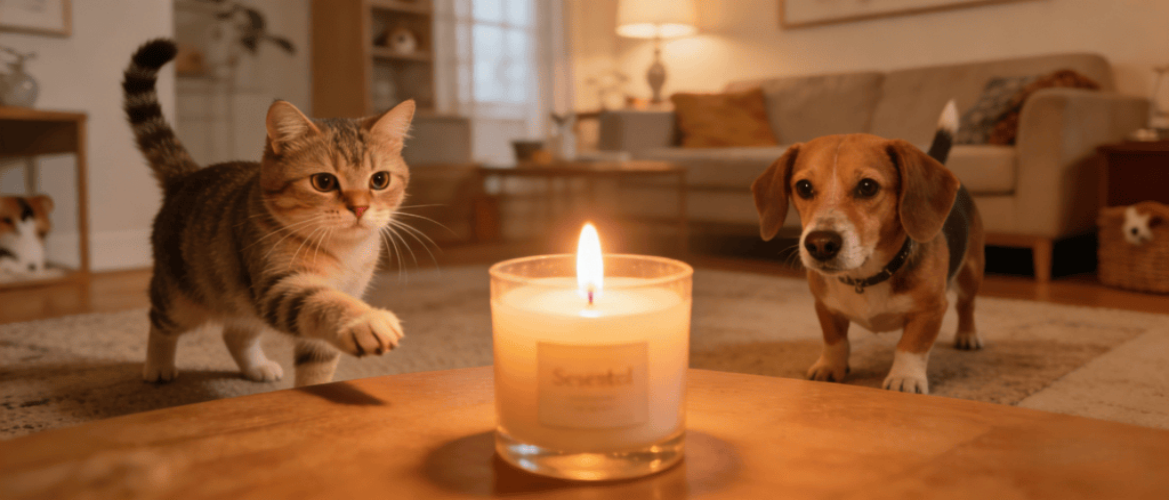
The Biology of Smell and Metabolism in Pets
The risk isn’t just about a “strong smell.” It’s about how a pet’s body absorbs and processes airborne molecules. This understanding is critical for risk assessment.
The Feline Sensitivity: A Unique Vulnerability
Cats are not small dogs. Their livers lack specific enzymes (e.g., glucuronosyltransferase) that efficiently break down and eliminate many phenolic compounds and essential oils. When they inhale or lick these substances, toxins can build up in their system, leading to poisoning. Their respiratory systems are also more delicate.
Canine Considerations: Focus on Respiratory Health
Dogs have a more robust metabolic system for these compounds but possess an incredibly powerful sense of smell—up to 100,000 times stronger than humans. Overpowering synthetic fragrances can be stressful, causing anxiety or respiratory irritation, especially in brachycephalic (short-nosed) breeds like Bulldogs or Pugs.
Pet-Specific Fragrance Risk Guide
Use this table to evaluate and discuss fragrance choices for clients with pets. It categorizes common scent notes by risk level.
| Scent Category / Notes | Risk Level for Cats | Risk Level for Dogs | Primary Concern & Notes |
|---|---|---|---|
| Citrus (Lemon, Orange, Lime) | High – Toxic | Low to Moderate | Contains limonene & linalool; can cause central nervous system depression in cats. |
| Pine & “Fresh” Cleaners | High – Toxic | Moderate | Phenols can cause liver damage in cats. Irritating to airways for both. |
| Tea Tree / Eucalyptus | High – Toxic | High – Toxic | Extremely potent; even small amounts can cause weakness, tremors, in both. |
| Peppermint / Wintergreen | High – Toxic | Moderate to High | Contains menthol & methyl salicylate; toxic to cats, irritating to dogs. |
| Lavender | Moderate to High | Generally Low | Can be toxic to cats if ingested in oil form; scent alone may be less risky but still an irritant. |
| Vanilla, Coconut, “Gourmand” | Low | Low | Generally safer, sweet scents. Ensure they are from phthalate-free fragrance oils. |
| Unscented / Odor-Neutralizing | Safest Choice | Safest Choice | Eliminates fragrance risk entirely. Ideal for homes with sensitive or ill pets. |
The key takeaway is that fragrance safety is not universal. A B2B buyer serving pet-friendly vacation rentals or veterinary office gift shops must prioritize low-risk or unscented options and provide clear warnings about high-risk scents. This level of care becomes a significant competitive advantage.
Can Essential Oils Used in Candles Be Toxic to Pets?
Clients often assume “natural” essential oils are safe alternatives to synthetic fragrances for pets.Many pure essential oils are highly concentrated and can be more dangerous to pets than synthetic blends, leading to a false sense of security.Distinguish between safe use in humans and pets, and provide a strict list of oils to avoid in products destined for pet-friendly spaces.
Concentration, Application, and Misleading Marketing
The toxicity of an essential oil depends on its chemical composition, concentration, and the route of exposure. Burning a candle diffuses these compounds into the air, creating a continuous, low-level exposure.
Why Essential Oils Are Potentially More Risky
- High Potency: A single drop of essential oil is the concentrated essence of pounds of plant material. The active compounds (terpenes, phenols, ketones) are present in very high doses.
- Volatile Nature: When heated in a candle, these oils vaporize into tiny droplets that can be inhaled and absorbed through the lungs into the bloodstream.
- Lack of Regulation: An “essential oil blend” in a candle may contain unknown concentrations of multiple oils, making risk assessment impossible.
The Route of Exposure: It’s Not Just Licking
Clients may think, “My pet won’t drink the candle.” But exposure through candles is primarily inhalation and dermal (if oil touches their skin or they walk through spilled wax). Symptoms of exposure can include:
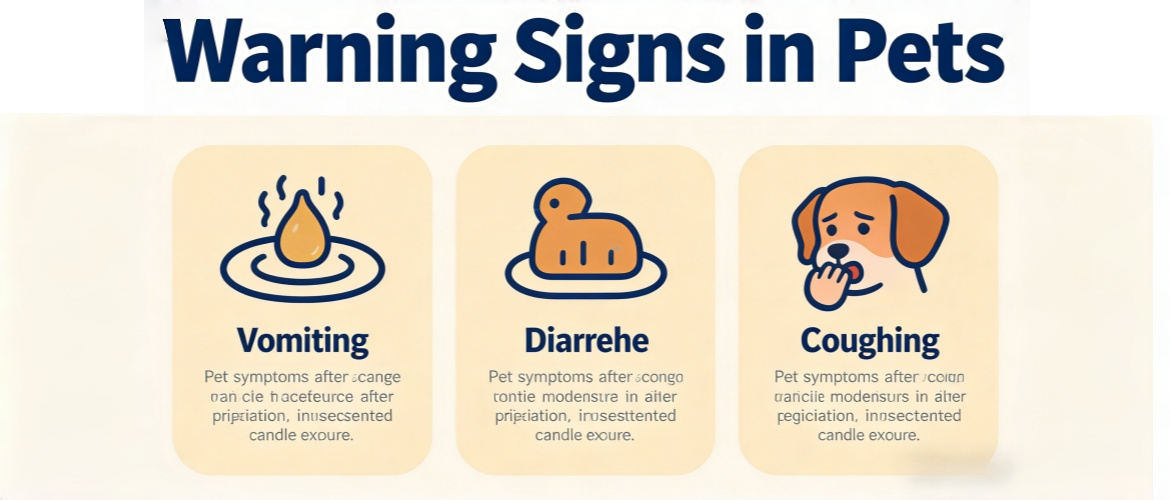
- For Cats: Drooling, vomiting, tremors, wobbliness, liver failure, respiratory distress.
- For Dogs: Lethargy, weakness, vomiting, muscle tremors, burns in the mouth if ingested.
For B2B buyers, the message is clear: The pet-safe candle market is best served by high-quality, phthalate-free synthetic fragrance oils that avoid known toxic compounds, or by offering premium unscented options. This eliminates the guesswork and liability associated with essential oil toxicity.
Does Candle Smoke or Soot Irritate Pet Respiratory Systems?
Pets have smaller, more sensitive airways than humans, making them vulnerable to indoor air pollutants.Even if a fragrance is non-toxic, the physical byproducts of burning—smoke and soot—can cause coughing, sneezing, and long-term issues for pets, especially birds and small animals.Emphasize clean-burning formulations and proper use to protect the respiratory health of all pets in the home.
Particulate Matter, Pet Physiology, and Prevention
The issue is mechanical as much as chemical. Inhaled particles can cause physical irritation and inflammation in the delicate tissues of the lungs and airways.
Why Pets Are More Vulnerable
- Higher Respiratory Rate: Dogs and cats breathe faster than humans, inhaling more air—and more pollutants—per minute.
- Proximity to Ground/Surfaces: Pets are closer to surfaces where soot settles and can be disturbed and re-inhaled.
- Smaller Airway Diameter: Irritation or inflammation has a more significant impact on their smaller breathing passages.
- Birds: Have a unique, highly efficient respiratory system that makes them acutely sensitive to any airborne toxins or particulates. Candles should never be burned in homes with birds.
The Culprits: Wick, Wax, and Burn Quality
The amount of soot produced is not random. It’s a result of three factors:
- Wick Type & Maintenance: An untrimmed, too-long, or improperly sized wick creates a larger, sootier flame. Metal-core wicks (especially lead-core, now rare) are absolute avoidances.
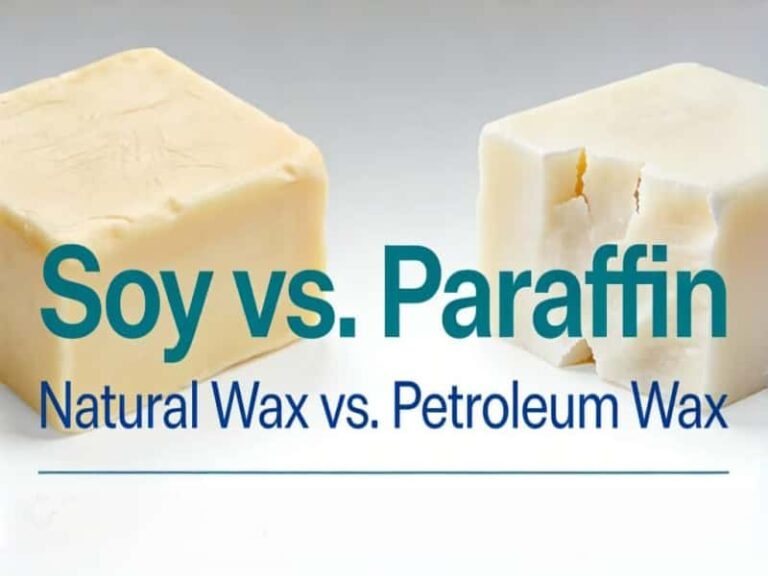
- Wax Composition: Paraffin wax, a petroleum byproduct, produces significantly more black soot (carbon particles) than natural waxes like soy, beeswax, or coconut.
- Burn Environment: A drafty room causes the flame to flicker, leading to incomplete combustion and increased soot.
Mitigation Strategy: A Clean-Burn Protocol for Pet Homes
You can provide clients with this simple checklist to minimize respiratory risks.
| Factor | High-Risk Practice (Avoid) | Pet-Safe Practice (Recommend) | Reason |
|---|---|---|---|
| Wax Type | Paraffin wax candles. | 100% natural wax candles (soy, beeswax, coconut). | Natural waxes burn cleaner with far less soot production. |
| Wick Care | Never trimming the wick; using candles with thick, woven wicks near pets. | Always trim wick to 1/4″ before burning; use candles with braided cotton or paper wicks. | A short, steady flame promotes complete combustion, minimizing smoke and soot. |
| Burn Time & Ventilation | Burning candles for hours in a sealed room with pets present. | Burn for 1-2 hours at a time in a well-ventilated room. Provide an air purifier or open a window. | Prevents buildup of particulate matter and VOCs in the air. |
| Pet Proximity | Placing candles at pet level (on floor, low tables). | Placing candles high up, out of reach, and not in pet sleeping areas. | Reduces direct inhalation and prevents physical contact (burn risk, knocking over). |
| Soot Observation | Ignoring black smoke or soot stains on the jar. | Extinguishing the candle if black smoke appears. This signals poor combustion. | Black smoke indicates immediate, high particulate emission. |
For businesses, this translates to product specifications: Supply candles made from natural waxes with properly sized, cotton wicks. Furthermore, educate your clients—especially those running pet-friendly B&Bs or stores—on the “how” of burning, not just the “what.” This comprehensive approach protects pets and reduces liability.
How Can Businesses Choose Pet-Safe Candle Formulations?
As a B2B buyer, you need a clear, actionable checklist to evaluate suppliers and products for pet safety.Vague claims like “pet-friendly” are meaningless without specific standards, exposing your clients to risk.Implement a rigorous sourcing framework focused on wax, wick, fragrance, and burn performance to guarantee safe products for pet-centric markets.
Building a Pet-Safe Product Specification and Supply Chain
This goes beyond avoiding a list of “bad” ingredients. It’s about proactively defining and verifying every aspect of safety and performance.
Supplier Vetting Questionnaire for Pet-Safe Candles
Use this checklist when interviewing potential suppliers:
| Question to Ask Your Candle Supplier | Acceptable Answer | Red Flag Answer |
|---|---|---|
| What is the exact wax composition? | “100% soy wax,” “Coconut-soy blend,” “100% beeswax.” Documentation available. | “A proprietary blend,” “Mostly soy with some paraffin for hardness,” “Just ‘vegetable wax.'” |
| Are your fragrance oils phthalate-free? | “Yes, all are. We can provide phthalate-free certifications.” | “I think so,” “They meet IFRA standards” (this is for human skin, not pet inhalation). |
| Do you use any essential oils? If so, which? | “No, we avoid them for pet safety.” Or, “Only in specific, low-concentration, vet-reviewed scents like lavender under 1%.” | “Yes, we use natural citrus and pine oils!” |
| What material are your wicks? | “Braided cotton” or “Paper core.” | “Metal-core for stability,” or “Wood wicks for the crackle sound.” |
| Can you provide burn test data or soot level info? | “Yes, here are our lab reports on particulate emissions.” | “We’ve never had a complaint,” or “All candles produce some soot.” |
| Do you have a specific “Pet-Safe” product line? | “Yes, with unscented and select, safe-scent options. Here are the ingredient lists.” | “All our candles are pet-safe” (without specific formulations to back it up). |
Packaging and Communication: The Final Step
A safe product must be communicated as such. Ensure labels include:
- Clear Ingredient List: “100% Soy Wax, Phthalate-Free Fragrance Oil, Cotton Wick.”
- Specific Pet Safety Claims: If making a claim, be precise. E.g., “Formulated without essential oils known to be toxic to cats and dogs.”
- Burn Instructions: Icon-based graphics showing wick trimming, ventilation, and keeping away from pets/children.
- Target Market Labeling: Consider a distinct logo or line name (e.g., “Paw & Flame Collection”) for easy identification by retailers serving pet owners.
By adopting this rigorous framework, you move from selling generic candles to providing verified, low-risk wellness products for a growing and loyal market segment. This builds immense trust with clients who cater to pet owners, from groomers and vets to luxury pet-friendly hotels.
Conclusion
Scented candles can be used safely in homes with pets by strictly avoiding toxic essential oils, choosing clean-burning natural waxes, ensuring proper ventilation, and following correct burning practices. Informed formulation and usage are key.