Scented Candle Supplier


How to Choose the Right Scented Candle for Yoga and Meditation?
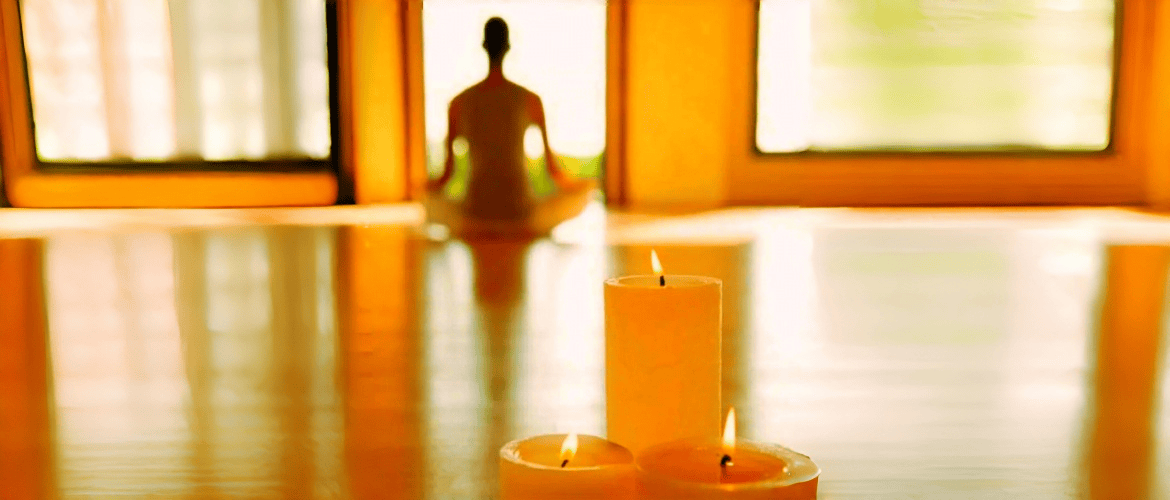
Choose scented candles for yoga and meditation based on their ability to support your mental state: grounding scents like sandalwood for focus, pure natural aromas like frankincense for tranquility, and specific pairings that complement the energy of your practice, from calming Yin to energizing Vinyasa.
Seeking Scents That Enhance Focus and Mindfulness?
For focus and mindfulness, choose grounding, earthy scents like sandalwood, vetiver, and frankincense. These aromas are not overly stimulating; they help quiet the mind, anchor your awareness in the present, and create a sense of mental stillness essential for deep practice.

The Science of Scent as a Mindful Anchor
The goal is to use scent as a tool for “pratyahara” (withdrawal of the senses) in yoga, or as a focus point in meditation. The right scent should be a gentle pull, not a push.
The Best Scents for Focus and Mindfulness
- Sandalwood: The quintessential meditation scent. Its creamy, woody aroma is deeply grounding. It doesn’t excite the mind; it calms it, making it easier to sustain focus on the breath or a mantra.
- Vetiver: An incredibly earthy, smoky root note. It is like “earthing” for the mind—it pulls your awareness down into the body, reducing racing thoughts and promoting a profound sense of rootedness.
- Frankincense: A sacred resin with a long history in spiritual practice. Its slightly citrusy, balsamic aroma is known to slow and deepen the breath, which directly calms the nervous system and enhances mental clarity.
How to Use Them as a Mindful Tool
- The Scent Anchor Technique: Light the candle a few minutes before you begin. As you settle into your posture or seat, take three deliberate breaths, consciously inhaling the scent. Let the aroma become a subtle background anchor. When your mind wanders, gently bring your awareness back to the scent and your breath.
- Intensity is Key: The scent should be barely perceptible. If you can smell it strongly, it’s too much and will become a distraction. The goal is subtle support, not sensory domination.
Pair the candle with a simple intention. For example, “With each breath of this sandalwood scent, I anchor my awareness more deeply in the present moment.” This links the olfactory experience directly to your mindful goal.
Need Natural, Non-Overpowering Aromas for Tranquility?
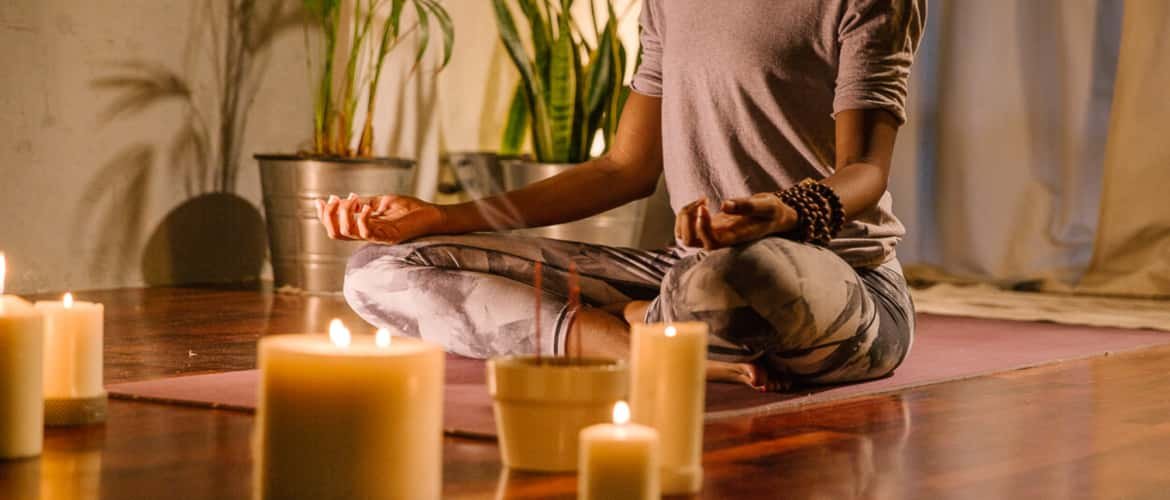
For true tranquility, choose candles with natural, clean-burning waxes and subtle aromas derived from pure essential oils like lavender, cedarwood, and chamomile. These scents are gentle on the senses, promote deep relaxation, and support a healthy practice environment free from harsh chemicals.
The Importance of Purity and Subtlety for Tranquility
Tranquility is a delicate state. The tools you use to achieve it must be equally gentle and pure. A harsh scent or a sooty flame can be profoundly disruptive.
The Hallmarks of a Tranquil Candle
- Natural Wax Base: Soy wax and beeswax burn cleaner and slower than paraffin. They don’t release potentially irritating petroleum byproducts into the air you’re deeply inhaling. They also hold scent more subtly.
- Pure, Simple Scents: Look for single-note or simple blend candles featuring:
- Low Scent Throw: For tranquility, you want a “whisper” of scent, not a “shout.” The candle should scent the immediate area around your mat or cushion, not the entire house.
The “Tranquility Test” for Candles
Before committing to a candle for your practice, do a simple test:
- The Cold Sniff: Smell the unlit candle. Does it smell natural and pleasant, or synthetic and sharp?
- The Burn Test: Light it in a well-ventilated room for 15 minutes. Does the scent remain pleasant, or does it become cloying? Does the flame burn cleanly without smoking?
For the ultimate tranquil experience, consider a candle warmer instead of an open flame. It melts the wax to release the scent without any flame flicker or smoke, providing the purest, most consistent aroma possible—perfect for a deeply relaxed Savasana or a long meditation sit.
Want Fragrances That Complement Specific Yoga Styles?
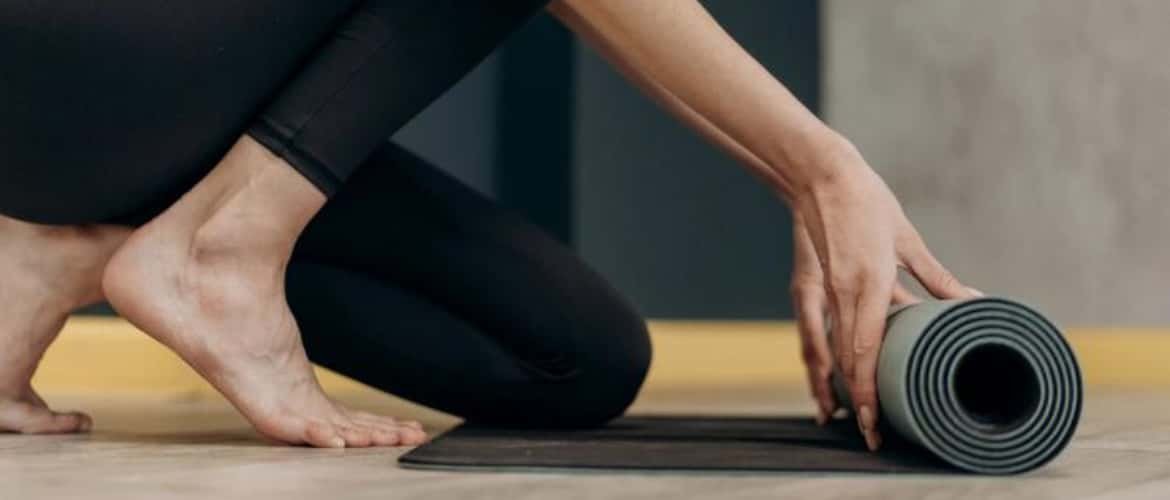
Tailor your candle choice to the yoga style: use invigorating citrus and mint for active Vinyasa or Power Yoga, balanced florals and herbs for Hatha, and deeply grounding woods and resins for Restorative or Yin Yoga.
Dive Deeper: The Yoga Style Scent Matrix
Think of scent as an extension of the practice’s “gunas” (qualities). You want to balance rajas (energy) with tamas (inertia/grounding) or sattva (balance/purity).
| Yoga Style | Energy & Goal | Recommended Scent Profile | Why It Works |
|---|---|---|---|
| Vinyasa / Power / Ashtanga | High energy, heating, building internal fire (tapas). | Citrus (Grapefruit, Sweet Orange), Mint, Eucalyptus. | These scents are uplifting, cooling, and help maintain energy and focus during a demanding flow. They clear the mind and invigorate the body. |
| Hatha / Gentle Flow | Balanced, centering, connecting breath and movement. | Lavender, Rosemary, Geranium, Light Sandalwood. | These scents are neither too stimulating nor too sedating. They promote mental clarity and a sense of harmonious balance. |
| Yin / Restorative | Deep release, cooling, surrendering into poses for long holds. | Sandalwood, Frankincense, Vetiver, Chamomile. | These deeply grounding and calming scents support the parasympathetic nervous system, helping the body and mind to completely let go and relax. |
| Kundalini | Awakening energy, spiritual focus. | Sandalwood, Frankincense, Rose, Patchouli. | These sacred and earthy scents are traditionally used to support spiritual awakening and create a sacred, focused container for the practice. |
Implementation Tips
- For Active Practices: Light a citrus or mint candle 10 minutes before you start to energize the space. The scent should be fresh and bright.
- For Restorative Practices: Light a grounding candle 20-30 minutes before. Allow the scent to permeate the room deeply, creating a “cocoon” of calm before you even begin.
If you practice multiple styles, consider having two dedicated “practice candles”—one for “Yang” (active) days and one for “Yin” (restorative) days. This simple ritual of choosing the candle will itself help set the intention for your practice.
Curious About Scent Pairings for Different Meditation Goals?
Use scent as a targeted tool for meditation: lavender for anxiety relief and stress reduction, rosemary for mental clarity and focus, frankincense for spiritual connection and breathwork, and sandalwood for deep, non-dual stillness.
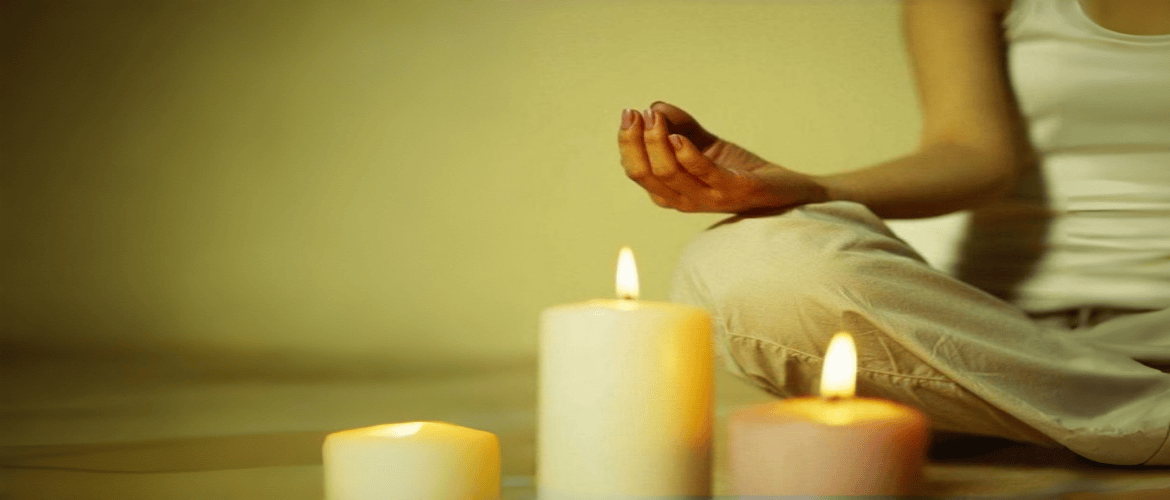
The Intentional Scent Pairing Guide for Meditation
Different scents activate different parts of the limbic system. By choosing intentionally, you can give your meditation a subtle “head start.”
Scent Pairings for Specific Meditation Goals
| Meditation Goal | Primary Scent | Supporting Scents | How It Supports the Practice |
|---|---|---|---|
| Anxiety Relief & Stress Reduction | Lavender | Bergamot, Chamomile | Lavender is scientifically proven to lower cortisol and calm the nervous system. It creates a safe “container” for releasing worry. |
| Mental Clarity & Focus (Mindfulness) | Rosemary | Peppermint, Lemon | Rosemary has been shown to improve memory retention and cognitive performance. It helps sharpen focus for mindfulness of breath or mantra. |
| Spiritual Connection & Deep Breathwork | Frankincense | Myrrh, Sandalwood | These sacred resins have been used for millennia to elevate consciousness. They encourage deep, slow breathing, which is the gateway to deeper states. |
| Deep Stillness & Grounding | Sandalwood | Vetiver, Cedarwood | Sandalwood is the ultimate scent for “non-doing.” It grounds the energy, quiets the mind completely, and supports a state of pure being. |
Creating a Scent Ritual for Meditation
Make the scent an integral part of your practice, not an afterthought.
- Set Your Intention: Before you begin, decide on the goal of your meditation (e.g., “I am meditating to find clarity on a specific issue”).
- Choose Your Scent: Select the candle that aligns with that intention (e.g., Rosemary for clarity).
- The Lighting Ritual: As you light the candle, silently state your intention again. Inhale the scent deliberately three times, linking the aroma to your goal.
- Meditate: Allow the scent to be a subtle background support. It’s not the object of meditation, but a supportive environment for it.
For advanced practitioners, you can use scent to mark different phases of a longer meditation. For example, start with a bright citrus to awaken the mind, transition to sandalwood for the deep middle period, and finish with a hint of lavender to ease back into waking consciousness.
Conclusion
Choosing the right scented candle for yoga and meditation is an act of mindfulness itself. By selecting scents that enhance focus, prioritize natural purity, complement your yoga style’s energy, and align with your specific meditation goals, you transform a simple candle from decor into a powerful, supportive tool for your practice. Let your nose guide you to a deeper, more intentional state of being.