Scented Candle Supplier



How to Choose the Perfect Scented Candle for Every Room — Scented candle pairing tips
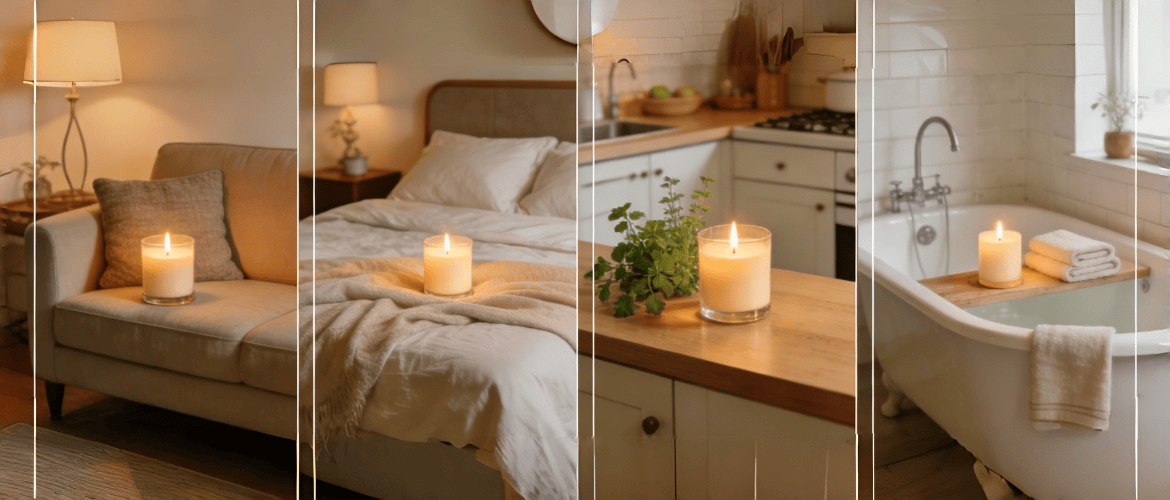
Choosing the right scented candle depends on the room’s function, size, and desired mood. Living rooms need balanced, welcoming scents. Bedrooms benefit from calming, soft fragrances. Kitchens and bathrooms work best with clean, fresh aromas. Picking the right scent for each room creates a more harmonious and intentional home.
Let me walk you through a simple, room-by-room guide to make your next candle choice easier and more effective.
Which candle scents suit living rooms best?
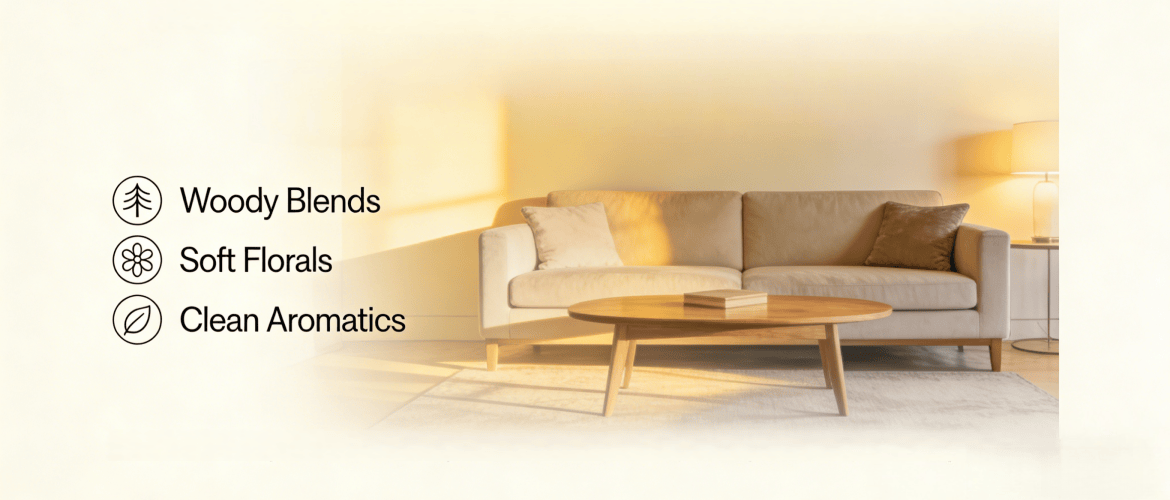
Living rooms work best with balanced, versatile scents. These fragrances are warm, slightly complex, and have enough presence to fill a shared space. Think of woody blends, soft florals, or clean aromatics. They should create a cozy, social atmosphere without being overpowering or too personal.
Understanding the unique needs of a living room
The living room is your home’s public face, but it’s also your personal sanctuary. The scent here sets the overall tone. It should be agreeable to most people but can still reflect your style in a refined way.
Key characteristics of a great living room scent
A successful living room fragrance does a few important jobs. First, it is welcoming. It makes people feel comfortable and at ease as soon as they enter. Second, it is adaptable. It should work for a quiet night of reading as well as a lively party. Third, it has the right strength. It should be noticeable enough to enhance the ambiance but never aggressive or cloying.
1. Warm, Grounding Scents: Woody and amber notes are classic for good reason. Scents featuring sandalwood, cedar, teak, or amber feel sophisticated, cozy, and grounded. They evoke the feeling of a well-loved library or a comforting cabin. A “Sandalwood & Vanilla” or “Amber & Musk” candle provides a timeless, welcoming warmth that rarely offends.
2. Soft, Approachable Florals: Avoid intense, single-note florals like heavy jasmine. Instead, choose blended florals that are softened with other elements. Scents like “Peony & Cashmere,” “Linen & Lavender,” or “Fig & Blossom” are floral but made gentle with creamy, clean, or green notes. They add a touch of freshness and life without being perfumey.
3. Clean, Aromatic Blends: For a more modern or minimalist living area, clean and herbal scents are excellent. “Bergamot & Sage,” “Eucalyptus & Mint,” or “Green Tea & Ginger” make a space feel bright, open, and energized. They are especially good in rooms with lots of natural light, adding to the airy, fresh feeling.
Getting the size and strength right
Your living room’s size dictates your candle choice. A large, open-plan space may need a three-wick candle or a very large jar to distribute scent effectively. A smaller, cozier room will do well with a standard single-wick candle. A good test: light the candle, leave the room for 20 minutes, then walk back in. The scent should be a pleasant, subtle presence that you notice, not a wall of fragrance that meets you at the door.
Your living room scent is like your home’s handshake. It should be warm, confident, and make a positive first impression that invites people to stay.
How do scent pairings improve bedroom relaxation?
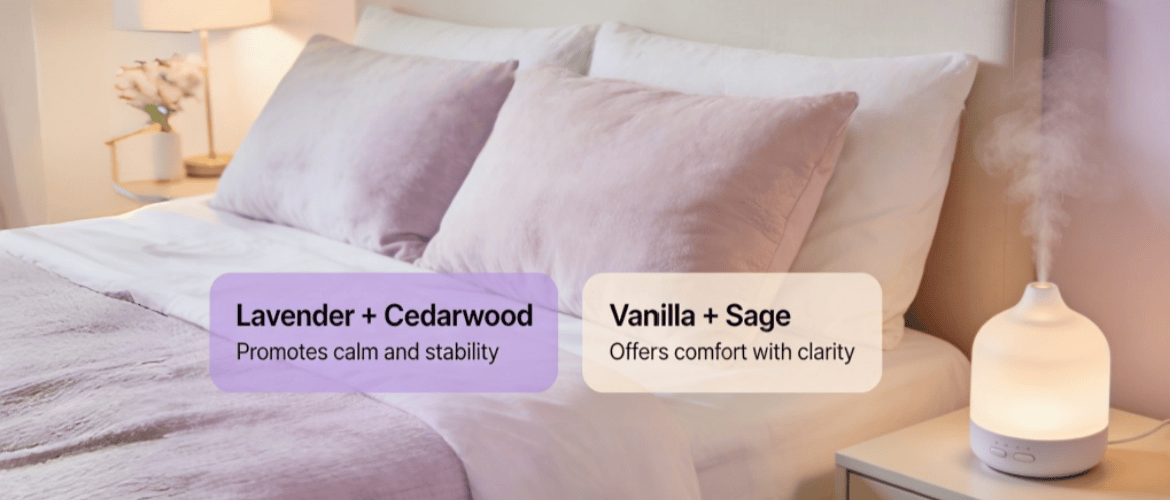
Smart scent pairings in the bedroom are more effective than single notes. They work together to deepen relaxation. Lavender paired with cedarwood promotes calm and stability. Vanilla paired with sage offers comfort with clarity. These combinations create a multi-layered, tranquil environment that is highly conducive to sleep.
The logic behind bedtime fragrance blending
Our sense of smell is hardwired to the brain’s emotional and memory centers. Using scent with intention in the bedroom is a powerful sleep aid. When you pair complementary notes, they can enhance each other’s relaxing effects, creating a more potent and nuanced calming experience.
Categories of relaxing scents and how to pair them
Not all calming scents work identically. Some are sedating, some reduce anxiety, and others simply create a peaceful atmosphere. Pairing scents from different categories can address multiple barriers to sleep at once. These are foundational scented candle pairing tips.
1. The Anxiety Reducers (Like Lavender & Chamomile): Lavender is proven to lower heart rate and cortisol levels. Its primary role is to quiet anxiety. Pair it with a note that extends or grounds this effect. Lavender & Cedarwood is a classic, effective pair. The lavender calms the nervous system, while the earthy, solid cedarwood provides a sense of stability and roots restless energy.
2. The Warm Comforters (Like Vanilla & Tonka Bean): These scents don’t necessarily make you sleepy; they make you feel safe, nurtured, and cozy. They counteract feelings of stress or loneliness. Pair them with a clean or herbal note to prevent them from being too sweet or heavy at night. Vanilla & Sage is a beautiful example. The vanilla offers deep comfort, while the sage adds a clean, clarifying herbaceousness.
3. The Mental Resetters (Like Eucalyptus & Spearmint): Sometimes the block to sleep is a racing mind, not physical tension. Light, clean, slightly cool scents can help “clear the mental slate.” It’s crucial to pair them with a warm or calming note to ensure the overall effect is relaxation, not invigoration. Eucalyptus & Lavender is a perfect spa-inspired blend. The eucalyptus clears the head and sinuses, while the lavender ensures the final note is one of calm.
How to implement paired scents effectively
You don’t need one candle with ten notes. Start with a well-blended candle that has a primary relaxing note you enjoy, like a “Sandalwood & Lavender” blend. Then, you can layer. Use a linen spray with a complementary single note (like vanilla) on your pillows. Or apply a matching-scented lotion before bed. This layering from multiple sources (candle, spray, skin) builds a powerful, consistent olfactory cue that strongly signals bedtime to your brain. This is one of the most practical scented candle pairing tips you can use.
My Personal Routine: I use two different candles in my bedroom based on my need. On most nights, I light a “Chamomile & Honey” candle. It’s softly sweet and herbal, perfect for gentle winding down. On nights when my thoughts are especially busy, I choose a “Bergamot & Lavender” blend. The hint of bright bergamot helps quiet mental chatter first, allowing the lavender to then bring on deeper calm. This flexible approach is a key part of my scented candle pairing tips for tailored relaxation.
Remember, in the bedroom, subtlety is king. The scent should be a gentle background whisper that supports sleep, not a dominant presence that demands attention.
What candle fragrances work well in kitchens and bathrooms?
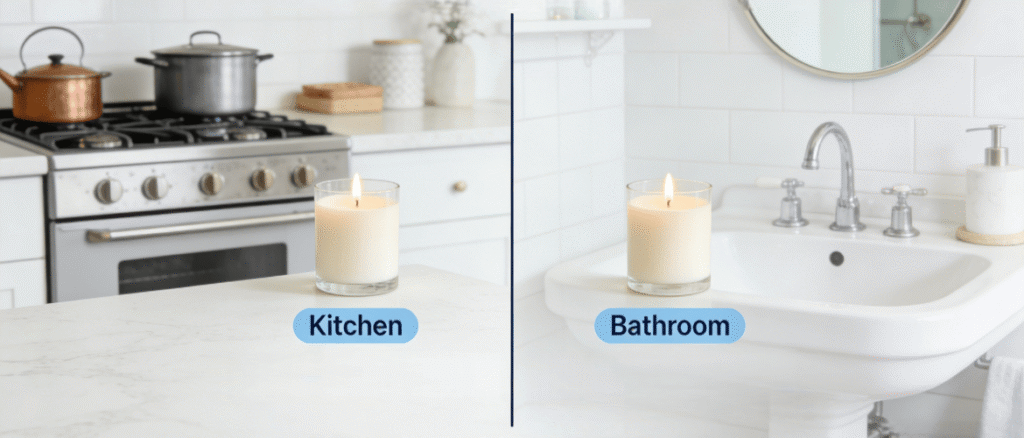
Kitchens benefit from clean, bright, or herbal scents that can cut through cooking odors. Bathrooms work best with fresh, watery, or “clean linen” scents that promote a feeling of hygiene and spaciousness. In these utility spaces, the candle’s function is to refresh and clarify the air.
A functional approach to scent in utility rooms
The strategy for kitchens and bathrooms is distinct from living or sleeping areas. Here, scent is often employed to solve a problem—to neutralize an unwanted odor or to enhance the room’s core purpose of cleanliness and freshness.
Kitchen Scents: Complement or Cleanse
The kitchen is full of natural aromas. Your candle should either complement them pleasantly or help clear them away efficiently.
1. Citrus & Herb Powerhouses (The Cleansers): Lemon, Lime, Grapefruit, Basil, Rosemary, Thyme. These are your go-to scents for odor neutralization. They are bright, acidic, and energetic, perfect for cutting through lingering smells of grease, fish, or onions. Lighting a “Lemon & Basil” or “Grapefruit & Rosemary” candle after cooking makes the kitchen smell clean and refreshed, not like a conflict between food and perfume.
2. Subtle Gourmands (The Complementors): If you’re baking or creating cozy smells, a light gourmand can add warmth. The key is to avoid a scent identical to what you’re cooking. Baking cookies? A “Toasted Coconut” or “Warm Milk” candle adds coziness without being redundant. Avoid overly literal food scents that might clash unpredictably.
3. Clean & Green Scents: Cucumber, Green Tea, Rain, Dill. These provide a general sense of freshness and cleanliness. They are neutral, healthy-smelling, and excellent for maintaining a pleasant kitchen atmosphere throughout the day without a strong citrus or herbal punch.
Bathroom Scents: Creating a Clean Sanctuary
The bathroom should feel like a private, pristine retreat. The scent should evoke concepts of water, cleanliness, and calm.
1. Oceanic & Aquatic Scents: Sea Salt, Ocean Breeze, Rain, Ozone. These are the ultimate “clean air” smells. They don’t smell like chemical cleaners; they smell like fresh, open air and water. A “Sea Minerals” or “Cool Rain” candle can make a small bathroom feel larger, airier, and more spa-like.
2. Clean Cotton & Linen Scents: The classic, beloved smell of freshness. These scents smell like sun-dried laundry and are universally associated with cleanliness and order. A simple “Clean Cotton” candle is always a safe, effective choice for a bathroom.
3. Light, Dewy Florals: Avoid heavy, tropical florals. Choose delicate, green, or watery florals instead. “White Tea & Ginger,” “Lily of the Valley,” or “Jasmine Petals” are fresh, slightly sweet, and add a touch of luxury without being overpowering in a confined space.
Important Practical Notes: Always practice safety. Keep candles away from sinks, showers, and active stovetops. Due to the typically smaller size of bathrooms, a votive or small jar candle is usually perfect. In kitchens, a standard jar works well. The goal is a subtle transformation, not an intense fragrance cloud.
Think of your kitchen and bathroom candles as functional tools in your home care arsenal. Choose scents that actively improve and refresh the environment of that specific room.
Why does room-based scent selection matter for buyers?
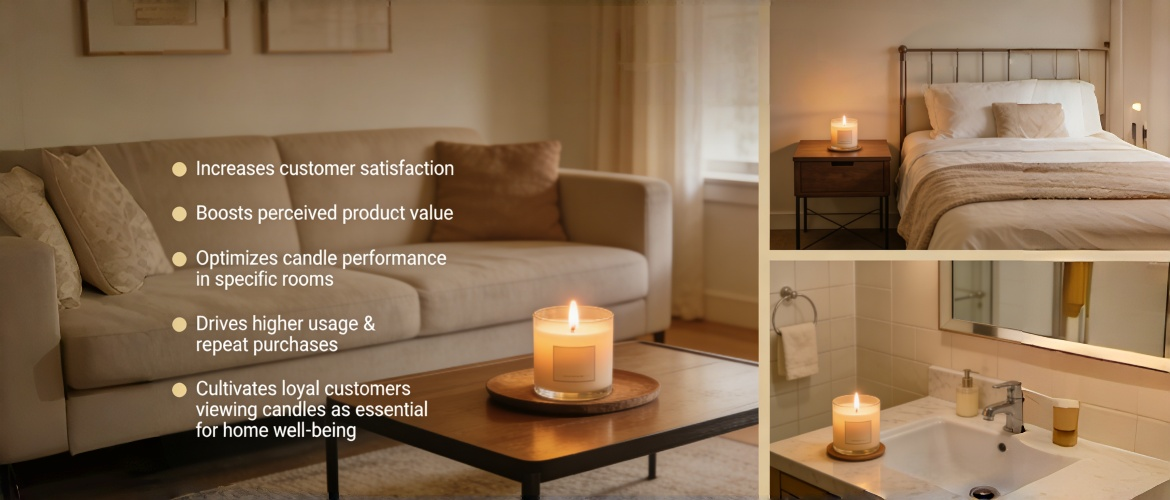
Room-based scent selection matters because it dramatically increases customer satisfaction and perceived product value. A candle chosen for a specific room performs its intended function better. This leads to higher usage, repeat purchases, and loyal customers who view candles as essential tools for home well-being, not just decorative items.
The significant value of intentional fragrance curation
When a buyer learns the “why” behind matching a scent to a room, the candle transforms from a discretionary purchase to a purposeful one. This shift in perception benefits everyone—the consumer enjoys a better experience, and the brand builds a stronger business.
How the buyer benefits directly
1. A Tangibly Better Experience: A calming bedroom scent genuinely aids sleep. An uplifting kitchen scent makes morning routines more pleasant. A welcoming living room scent makes entertaining feel more special. When the scent aligns perfectly with the room’s function, the quality of time spent in that room improves. The buyer gets real, functional value from their purchase.
2. Reduced Overwhelm and Decision Fatigue: Facing a wall of dozens or hundreds of candles is paralyzing. Having a simple framework—”I need a scent for my home office”—immediately cuts through the noise. Brands that help by categorizing or tagging their scents by room (e.g., “For Sleep,” “For Focus,” “For Freshness”) provide an invaluable service. They simplify a complex choice.
3. Fewer Failed Purchases: How often does someone buy a candle, light it once at home, think “This isn’t right,” and never burn it again? That’s money wasted and a negative brand experience. When a buyer is guided to choose a scent suited for a specific room, the likelihood of that scent “working” and being loved is much higher. This means the product gets used, enjoyed, and eventually repurchased.
How brands and retailers benefit strategically
1. It Drives Larger Basket Sizes: A buyer thinking “one candle for the house” buys one item. A buyer who learns to think, “I need a calming scent for the bedroom, a fresh scent for the bathroom, and a cozy scent for the living room,” is a prime candidate for a multi-candle purchase. This “fragrance wardrobe” approach can significantly increase the average order value.
2. It Builds Expert Authority and Loyalty: When a brand educates a customer on how to use their products most effectively, that customer begins to trust the brand as an expert advisor. This trust is the foundation of fierce loyalty. That customer will return to that brand for their next “bedroom candle” or “kitchen refresher” because the previous recommendation worked so well.
3. It Enables Powerful, Targeted Marketing: “Room-based” is a brilliant and clear marketing angle. It allows for specific, actionable campaigns. An email can be “Create Your Perfect Bedtime Sanctuary,” featuring sleep-focused candles. A social media post can be “5 Scents to Refresh Your Kitchen Fast.” This is far more compelling and useful than a generic “New Scents Available!” announcement. Incorporating scented candle pairing tips into this content adds even more value.
Room-based scent selection elevates the candle from a simple fragrant object to an integral component of curated living. It matters because it delivers superior results for the user and builds a smarter, more resilient business for the maker. In a competitive market, this focus on education, application, and customer success is what separates lasting brands from the rest.
Conclusion
Choosing the perfect scented candle for each room enhances daily comfort and mood. It turns fragrance into a functional tool for creating a harmonious, intentional, and more enjoyable home environment from the living room to the bedroom.