Scented Candle Supplier



Candle Scent Families Explained: Floral, Woody, Fresh, Gourmet?
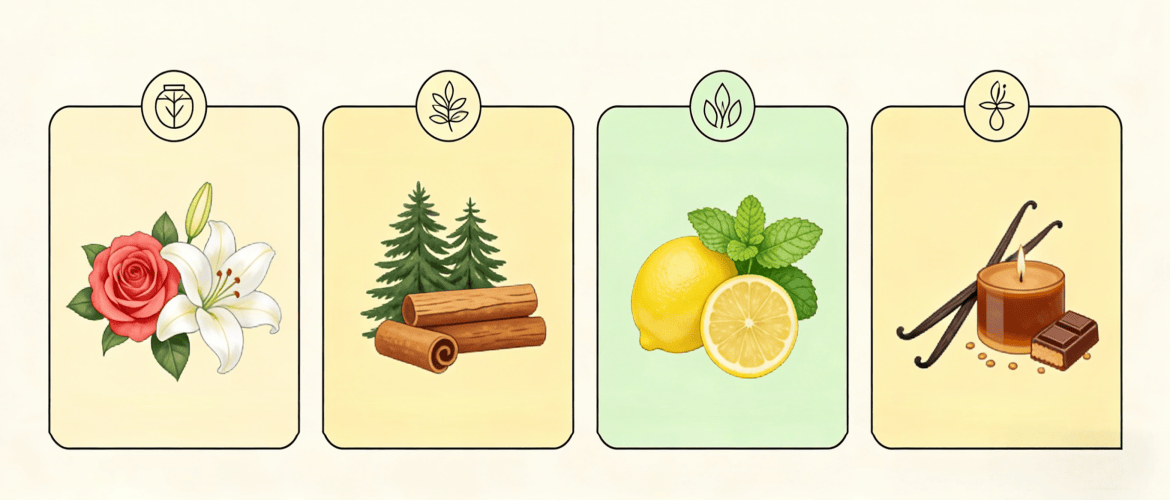
Choosing the perfect candle scent becomes simple when you understand the four main fragrance categories. This guide provides a clear Candle Scent Families Explained framework to help buyers and businesses make informed selections.
Candle scents organize into four primary families: floral (romantic, soft), woody (earthy, warm), fresh (clean, bright), and gourmet (sweet, edible). Each creates distinct moods and suits specific environments.
Understanding Candle Scent Families Explained transforms how you select, merchandise, and enjoy scented candles. Let’s explore each category’s characteristics and ideal applications.
What defines floral candle fragrance profiles?
Floral scents represent the most classic and widely recognized category in fragrance.
Floral candle scents recreate blossom and flower aromas ranging from delicate singles to rich bouquets. They create soft, romantic atmospheres ideal for bedrooms, living spaces, and intimate settings.
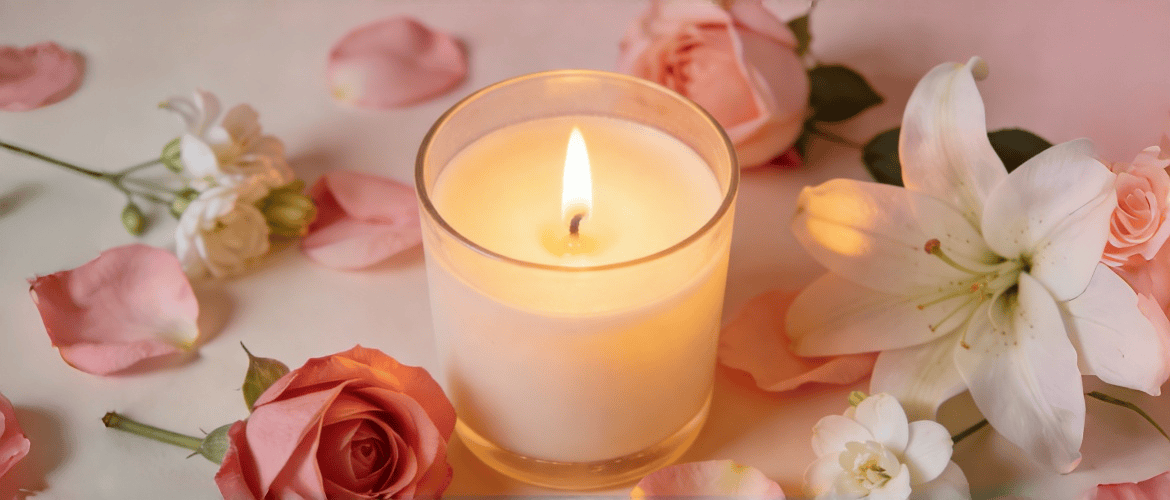
The floral spectrum
Floral scents display remarkable variety, they range from light and airy to deep and exotic.
| Floral Type | Characteristic Scents | Mood Created | Ideal Settings |
|---|---|---|---|
| Soft Florals | Rose, Peony, Lilac | Romantic, calming | Bedrooms, spas, intimate spaces |
| White Florals | Gardenia, Jasmine, Tuberose | Luxurious, elegant | Formal areas, hotel lobbies |
| Green Florals | Lily of the Valley, Freesia | Fresh, clean | Bathrooms, entryways |
Emotional impact and applications
Floral candles create strong emotional connections, triggering memories and relaxation responses. They work year-round but peak in spring and summer. Lighter florals suit warmer months, while richer options work well in cooler seasons.
Blending versatility
Florals combine beautifully with other families: woods for grounded elegance (rose and sandalwood) or fresh notes for garden-like brightness (peony and green leaves). This versatility makes florals valuable in any Candle Scent Families Explained discussion.
How do woody scents create depth and warmth?
Woody fragrances bring earthy, grounding qualities to interiors. They’re known for their sophistication and ability to create cozy, inviting atmospheres.
Woody candle scents feature notes from trees, mosses, and resins that create warmth, depth, and sophistication. They’re perfect for studies, living rooms, and luxury spaces.

Woody categories and characteristics
Understanding woody varieties is essential to Candle Scent Families Explained. Each type creates distinct atmospheric effects.
| Woody Type | Characteristic Scents | Best Settings |
|---|---|---|
| Dry Woods | Cedar, Sandalwood, Teak | Offices, studies, spas |
| Mossy Woods | Vetiver, Patchouli | Living rooms, libraries |
| Resinous Woods | Amber, Frankincense | Luxury hotels, retreat spaces |
Psychological impact and longevity
Woody fragrances create feelings of security and comfort through primal associations with shelter and safety. Their heavier molecules evaporate slowly, providing longer-lasting scent presence.
Seasonal and commercial applications
Woody scents shine in fall and winter but work year-round when properly balanced. For businesses, they convey luxury and stability, making them ideal for hotel lobbies and corporate settings.
Why are fresh scents popular in modern spaces?
Fresh scents have gained significant popularity with contemporary interior trends. They create clean, bright atmospheres that feel both inviting and energizing.
Fresh candle scents feature citrus, aquatic, and green notes that create bright, uplifting environments. They’re ideal for kitchens, bathrooms, and minimalist spaces.

Fresh scent categories
A comprehensive Candle Scent Families Explained breaks fresh scents into distinct subcategories:
| Fresh Type | Characteristic Scents | Ideal Settings |
|---|---|---|
| Citrus | Lemon, Bergamot, Grapefruit | Kitchens, home offices |
| Aquatic | Ocean, Rain, Sea Breeze | Bathrooms, spas |
| Green | Green Tea, Mint | Entryways, sunrooms |
Modern appeal and functionality
Fresh scents align perfectly with minimalist aesthetics, creating airy experiences that don’t overwhelm the senses. They’re particularly effective in high-traffic areas where cleanliness is paramount, and they appeal to wide demographics without being polarizing.
Scientific benefits
Citrus notes contain molecules that trigger alertness and mental clarity, making them ideal for workspaces and morning routines.
What makes gourmet scents appealing to buyers?
Gourmet scents consistently rank among best-sellers due to their strong emotional connections and comforting qualities.
Gourmet candle scents replicate food and dessert aromas like vanilla, spices, and baked goods. They create warm, comforting environments that trigger nostalgia.
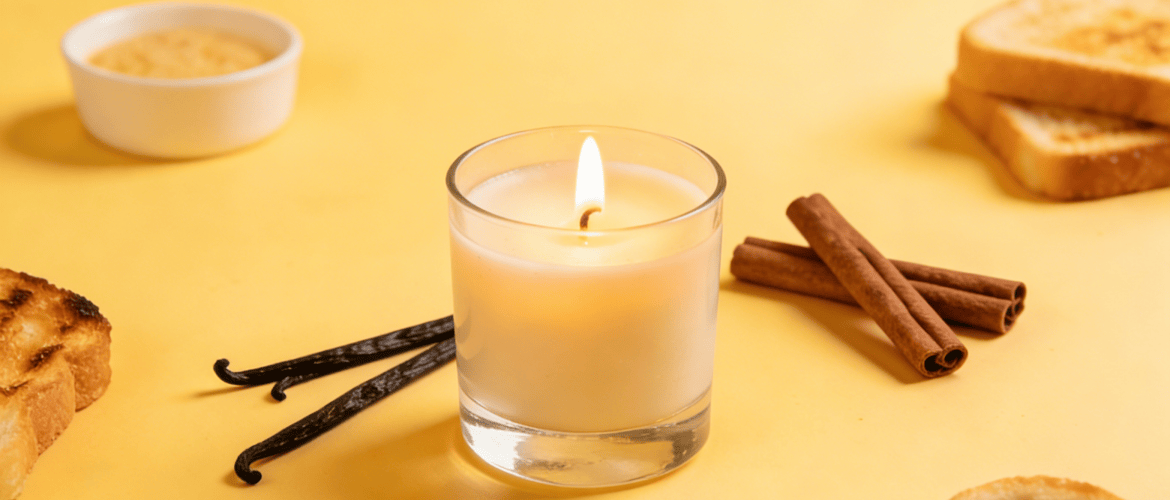
Gourmet categories and emotional impact
Understanding gourmet varieties is essential to Candle Scent Families Explained:
| Gourmet Type | Characteristic Scents | Mood Created |
|---|---|---|
| Sweet | Vanilla, Caramel, Honey | Comforting, warm |
| Spiced | Cinnamon, Nutmeg | Cozy, festive |
| Dessert | Chocolate, Cake | Indulgent, nostalgic |
Seasonal strength and versatility
Gourmet scents peak during fall and winter holidays but work year-round in lighter variations. They blend beautifully with other families, creating unique experiences like vanilla and sandalwood (with woods) or orange blossom and honey (with florals).
Business applications
For retail and hospitality, gourmet scents create welcoming environments that encourage longer stays.
Conclusion
This Candle Scent Families Explained guide provides the foundation for confident fragrance selection. Florals create romance, woods provide depth, fresh scents offer cleanliness, and gourmet fragrances deliver comfort. Matching scent families to room purposes and desired atmospheres ensures your candles enhance rather than overwhelm your space. Understanding Candle Scent Families Explained helps both consumers and businesses make optimal candle choices for every environment and occasion.