Scented Candle Supplier



Scented Candle Packaging Custom Guide for Private Label
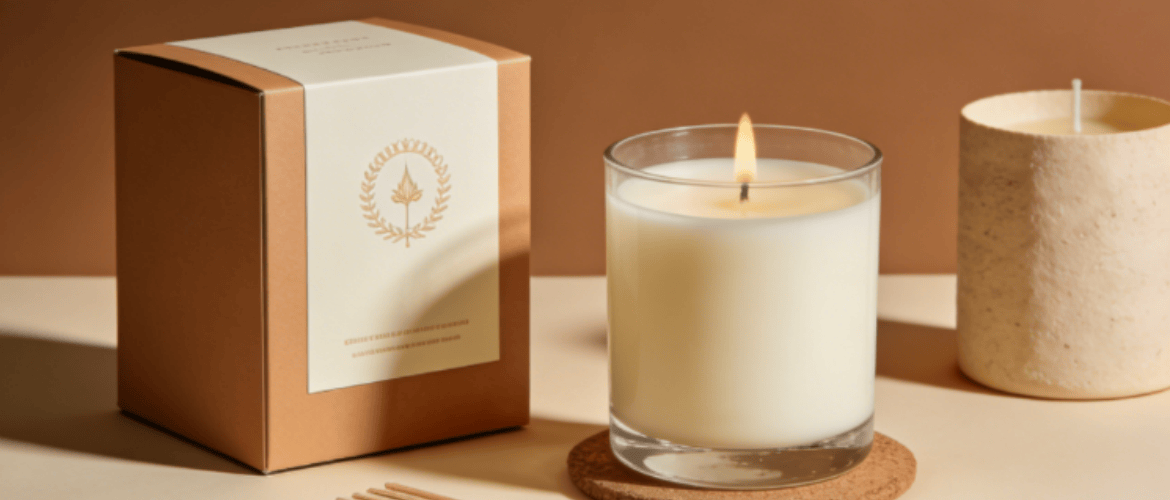
Your candle’s packaging is its first introduction to the world. For a private label brand, it’s not just a box—it’s a vital tool for protection, branding, and sales. Great Scented Candle Packaging Custom makes your product look premium, tells your brand’s story, and turns a simple purchase into a memorable experience.
Effective private label packaging does three things: it safely protects the candle, it clearly communicates your brand’s identity, and it makes customers want to buy (and gift) your product. The right choices in style, design, and materials are essential for success.
Let’s explore how to build packaging that supports and elevates your candle brand.
1. Choosing the Right Packaging Style for Your Brand
The style of packaging you choose sets the tone for your entire brand. It should align with your price point, target customer, and where you plan to sell.
Your packaging style is a balance of form and function. It needs to look great on a shelf or in a photo, but it also must be practical for shipping and storage.
Popular Packaging Options for Private Label
- The Minimalist Jar: A beautiful glass or ceramic vessel with a simple, elegant sticker label. This is perfect for modern, clean aesthetic brands and is very cost-effective to start.
- The Sleeve + Jar: A cardboard sleeve slips over a standard jar. This allows for full-color artwork and branding without the cost of a full box, ideal for boutiques and wellness brands.
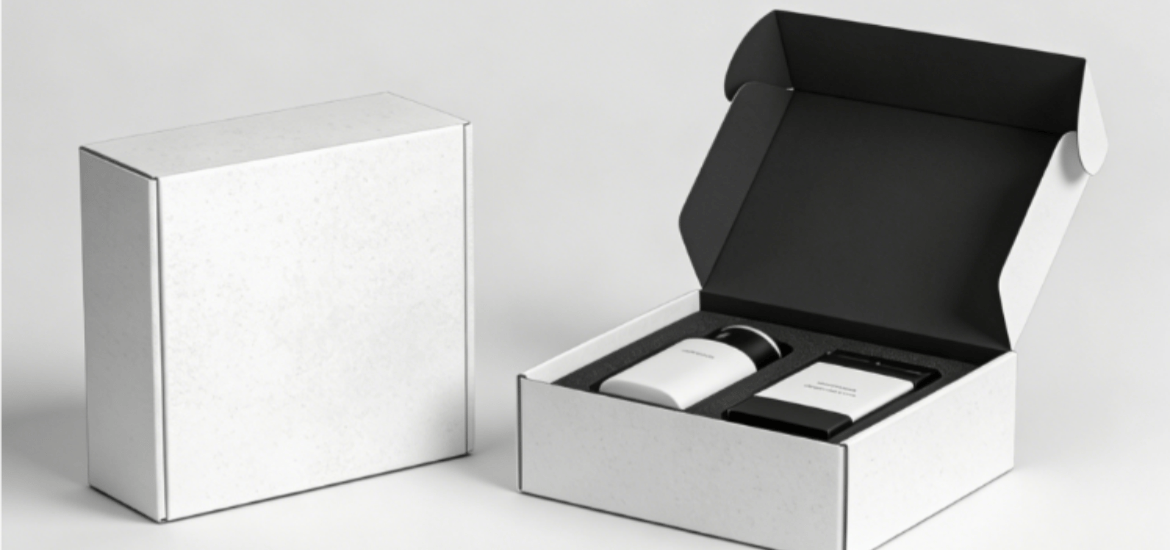
- The Classic Gift Box: A rigid or folding paper box, often with a foam insert to hold the candle securely. This style screams “premium” and is a must for gifting and retail shelves. It allows for luxe finishes like embossing or foil stamping.
- The Modern Tube: A round or square cardboard tube. It’s unique, space-efficient, and feels contemporary, great for lifestyle or beauty-adjacent brands.
- The Gift Set: A larger box designed to hold multiple candles or complementary items. This is perfect for holidays, promotions, and driving a higher average order value.
Pro Tip: Most successful brands use a mix. They might have simple, cost-effective packaging for their core line and invest in luxurious gift boxes for their best-selling scent or holiday collections.
2. Using Custom Design to Build Your Brand Identity
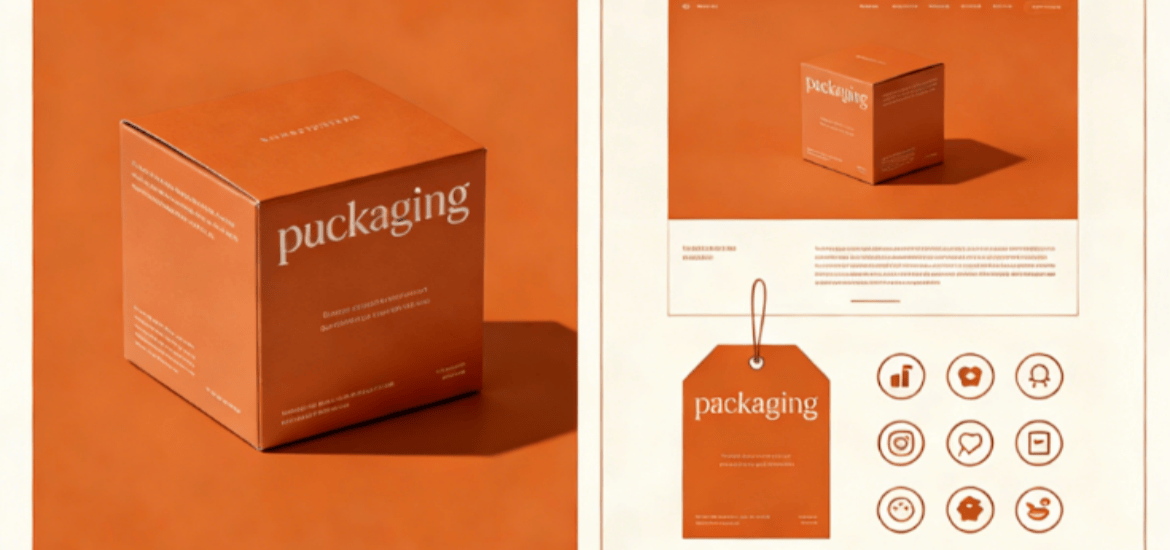
Custom packaging transforms a generic product into yourbrand. It’s where customers learn who you are at a glance.
Every color, font, and image on your packaging should tell a cohesive story about your brand’s personality and values.
How Design Elements Communicate
- Color Palette: Soft pastels and whites feel calm and luxurious. Earthy tones and kraft brown suggest natural and sustainable. Bold colors or black with metallics feel glamorous and high-end.
- Typography: A clean, sans-serif font feels modern. A delicate script feels romantic and feminine. A strong, classic serif feels established and trustworthy.
- Imagery & Graphics: Simple line art feels minimalist. Botanical illustrations feel natural and holistic. No imagery at all puts the focus purely on your brand name and the product.
The Power of Consistency
Your label, box, website, and social media should all share the same visual language. This repetition builds instant recognition—a customer should be able to spot your candle from across a store aisle. Through Scented Candle Packaging Custom, consistent and professional design also builds strong trust with both consumers and retail buyers.
Remember: In the age of social media, beautiful packaging is marketing. An attractive, “Instagrammable” unboxing experience encourages customers to share your product online, giving you free advertising.
3. Selecting Materials: Safety, Sustainability & Perception
The materials you choose need to do a job: protect the candle, reflect your brand’s values, and appeal to your customer.
Today’s customers expect packaging to be both protective and responsible. The right materials show you care about the product and the planet.
The Protection Factor
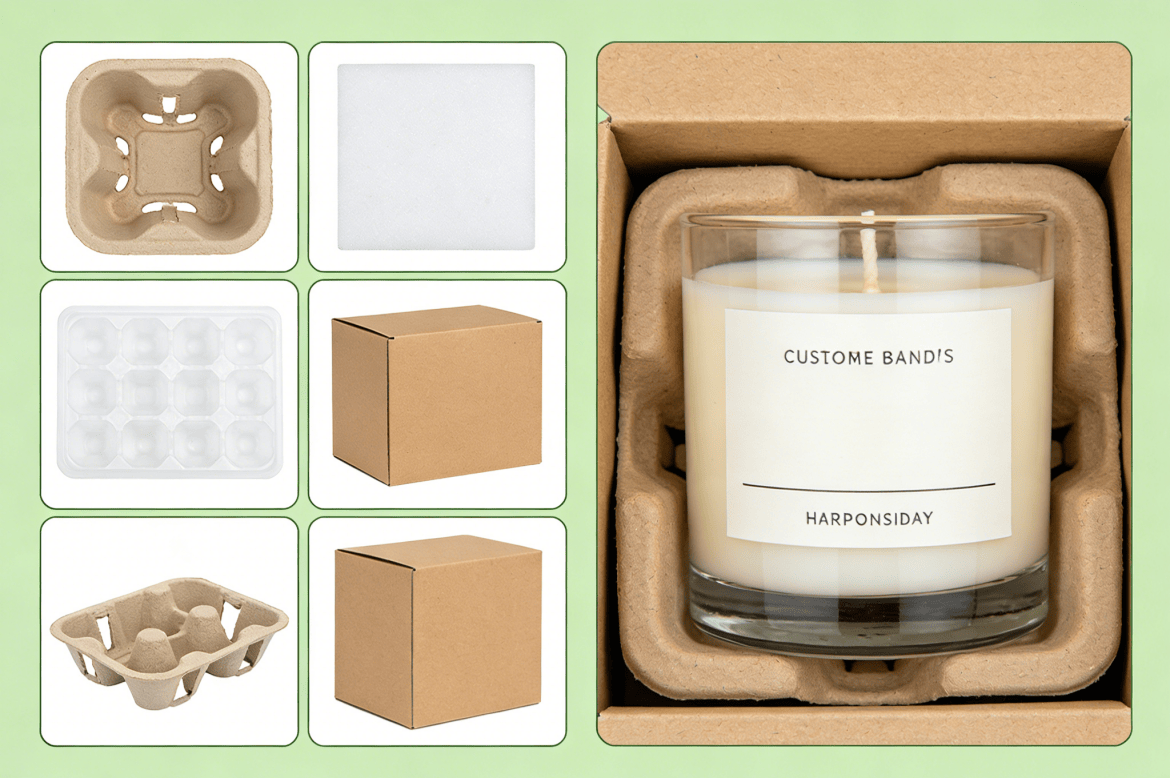
Candles are fragile and heavy. Your packaging must prevent breakage and scratches during shipping.
- Inner Protection: Foam inserts, cardboard dividers, or molded pulp trays securely cradle the jar to prevent it from moving around.
- Outer Strength: Rigid cardboard boxes or thick corrugated mailers are essential for surviving the journey to your customer.
The Sustainability Factor
Eco-friendly materials are no longer a niche preference—they’re a growing expectation.
- Material Choices: Recycled cardboard, kraft paper, and FSC-certified paper are excellent, responsible bases.
- Recyclability: Design for easy recycling. Avoid mixing materials (like plastic windows on cardboard) that are hard to separate.
- Bonus Value: Consider reusable elements. A beautiful jar that can become a drinking glass or a planter adds lasting value for the customer.
Smart Balance: You don’t have to compromise. Molded pulp from recycled paper can be just as protective as plastic foam. A sturdy, recyclable box can look and feel incredibly luxurious.
4. Designing Packaging That Sellsd
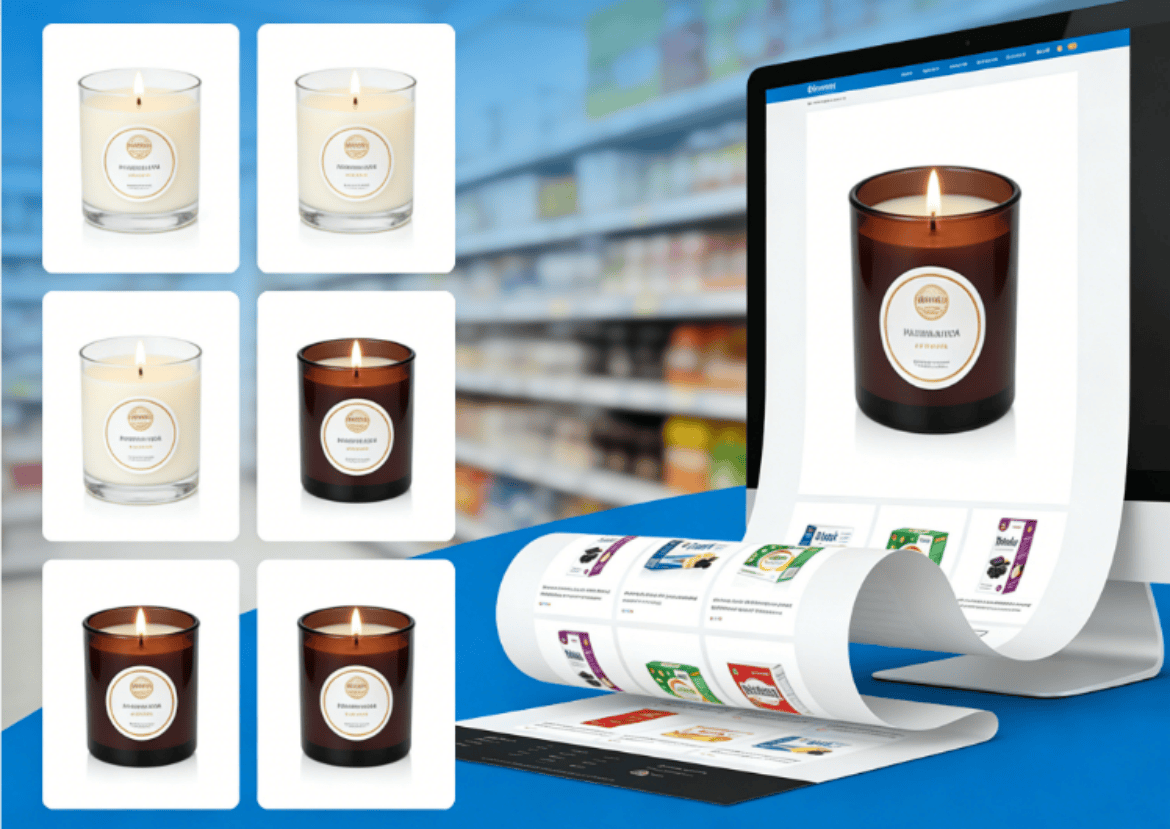
On a crowded shelf or a fast-scrolling website, you have seconds to make an impression. Your packaging design is a silent salesperson.
Great packaging design doesn’t just look nice—it guides the customer’s eye, answers their questions, and makes them feel good about choosing your product.
How Design Influences the Buying Decision
- Instant Communication: Your packaging should immediately convey the candle’s scent family (floral, woody, fresh) and the mood it creates (calming, energizing, cozy) through color and imagery.
- Perceived Value: High-quality materials and finishes (matte texture, foil accents) make a product feelmore expensive and premium, which justifies a higher price point.
- The Gift Factor: Is it “gift-ready”? Packaging that looks like a present—complete, elegant, and needing no extra wrap—taps into the huge candle gifting market. A customer is much more likely to buy your candle as a gift if it already looks like one.
- The Unboxing Experience: The process of opening the package should feel special. Thoughtful details reinforce quality and make the customer feel they made a great choice, leading to better reviews and repeat purchases.
Conclusion
For your private label candle brand, packaging is a crucial investment, not an afterthought. It starts with selecting a style that fits your market, then using Scented Candle Packaging Custom to build a memorable brand identity. You should also choose materials that protect the product and align with modern values. Finally, every visual element you craft should actively help sell the candle.
By thoughtfully combining these elements—style, design, materials, and sales-focused aesthetics—you create packaging that does more than hold a candle. It builds your brand, delights your customers, and drives your business forward.