Scented Candle Manufacturer & Supplier



How to Incorporate Scented Candles into Daily Life?
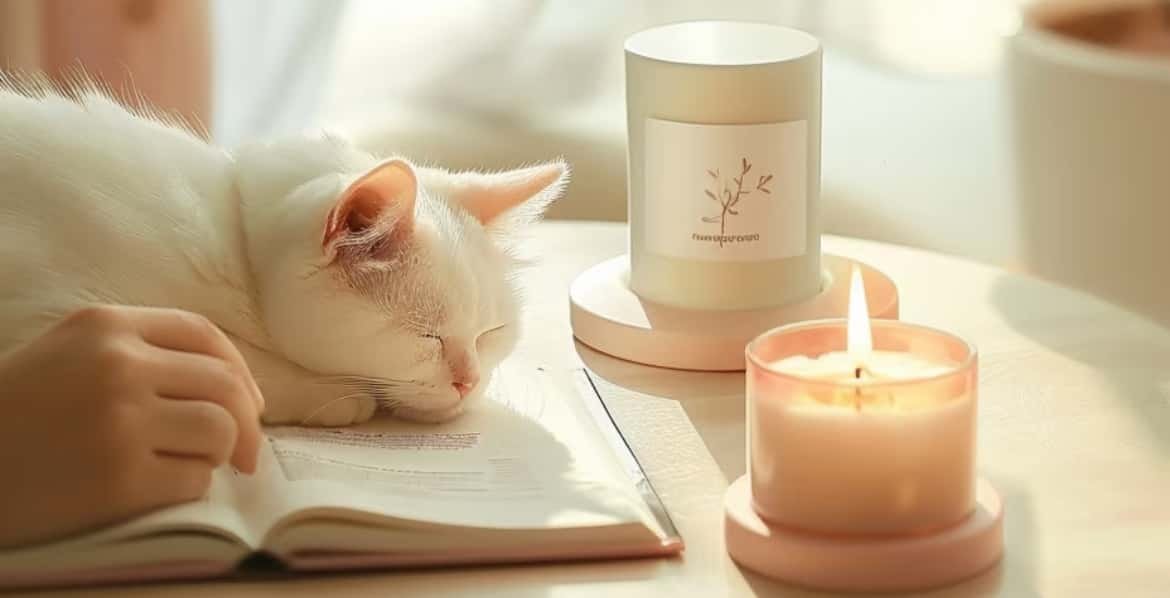
Incorporate scented candles into daily life by designing a cohesive home ‘scent map,using targeted aromas as tools for mood and focus, establishing non-negotiable safety rituals, and aligning specific fragrance families with the natural energy flow of morning, afternoon, evening, and night.
Want to Enhance Home Ambiance with Consistent Scent Themes?
Designing Your Home’s Olfactory Architecture
Think of scent theming as interior design for the senses. It’s about creating a narrative that guides feeling and function as one moves through the home.
The Strategic Home Zone Scent Plan
- The Invitation Zone (Entryway/Mudroom): Use a single, high-impact scent source. A strong-scented pillar candle, reed diffuser, or room spray in scents like Fresh Linen, Lemon Verbena, or Eucalyptus works best. This is your home’s olfactory handshake.
- The Hearth Zone (Living Room/Family Room):This zone carries your home’s signature scent theme. Use larger candles or clusters in harmonious scents like Sandalwood, Amber, Vanilla Bean, or Cashmere. Light them to signal relaxation and gathering time.
- The Sanctuary Zone (Bedroom): Prioritize subtlety. Use a single, lightly-scented candle with Lavender, Chamomile, or Cedarwood. Burn for only 1-2 hours before bed and always extinguish before sleeping. The scent should be a whisper, not a statement.
- The Utility Zone (Kitchen/Bathroom):Avoid gourmand scents in kitchens to prevent clash with food. Opt for Citrus (Grapefruit), Herbal (Basil, Mint), or Cucumber. In bathrooms, prioritize fresh, clean scents. Smaller candles or electric warmers are ideal here.
- The Concentration Zone (Home Office/Study):Use scent as a focus trigger. Light a candle with Rosemary, Peppermint, or Pine at the start of a work session. The act and aroma become a ritual cue for entering a state of flow.
Implementation & Testing Protocol
- Define Your Core Palette: Select 2-3 primary scent families for your public zones.
- Strategic Placement: Place candles where air circulates gently but away from direct drafts. Use the guide of one candle per 10 square meters for noticeable scent in open areas.
- Systematic Testing: Conduct a 4-hour burn test for each placement. Log scent strength at 30, 60, and 120-minute intervals. Adjust candle size or placement based on results to achieve balanced, not overpowering, diffusion.
- Seasonal Evolution: Keep the ambiance dynamic by rotating scents within your chosen families seasonally .
Seeking to Use Scents for Mood and Productivity Boost?
Leverage aromatherapy principles: use bright citrus and mint scents to combat fatigue and boost alertness, employ floral and woody notes to induce calm and lower stress, and apply herbal, green scents to enhance concentration and cognitive function during work.
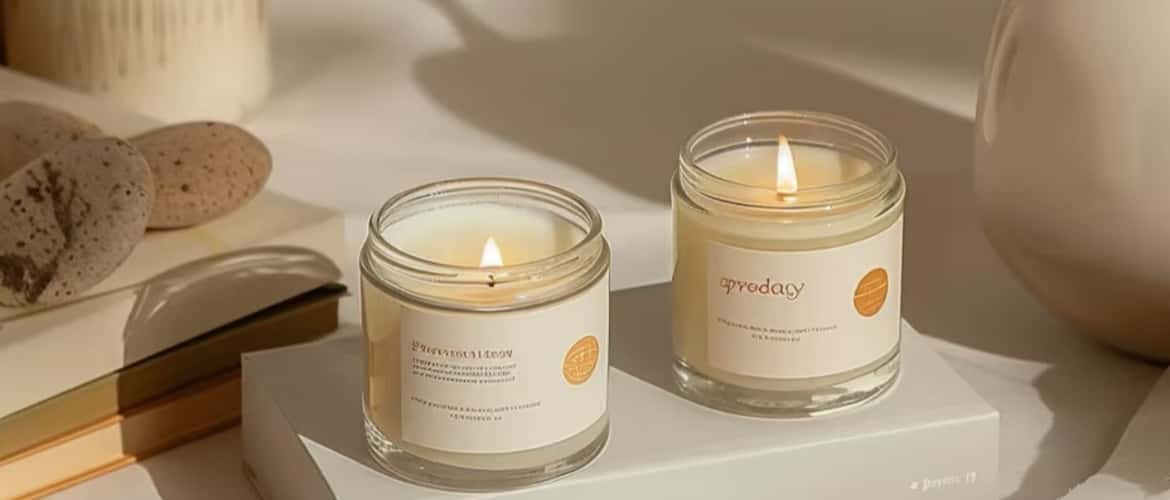
The Science of Olfactory Influence and Ritual Creation
Scents travel directly to the brain’s emotional and memory centers. You can design rituals that use this pathway to consciously shift your state.
The Evidence-Based Scent Toolkit for Mind & Mood
| Target State | Proven Scent Triggers | Optimal Use Protocol | Neuro-Sensory Mechanism |
|---|---|---|---|
| Energy & Alertness | Lemon, Grapefruit, Peppermint, Eucalyptus. | 20-45 minute sessions in the morning or during afternoon slumps. | Stimulates the sympathetic nervous system, increasing heart rate and alertness. |
| Calm & Stress Reduction | Lavender, Bergamot, Frankincense, Clary Sage. | 60-90 minute sessions after work, before stressful events, or during relaxation. | Activates the parasympathetic nervous system, lowering cortisol and blood pressure. |
| Focus & Mental Clarity | Rosemary, Pine, Vetiver, Green Tea. | 30-90 minute sessions at the start of focused work or study blocks. | Studies show compounds like 1,8-cineole in rosemary can improve memory accuracy and speed. |
| Comfort & Grounding | Vanilla, Sandalwood, Tonka Bean, Light Smoke. | Evening sessions, during quiet time, or when seeking emotional solace. | Evokes feelings of safety and nostalgia through association, promoting emotional warmth. |
Intensity matters. For cognitive and emotional effects, a subtle scent that is barely detectable is most effective. An overwhelming aroma can become an irritant, causing the opposite of the intended effect. Start with short burns (20-30 minutes) in a well-ventilated room.
Need Tips for Safe Daily Candle Usage Routines?
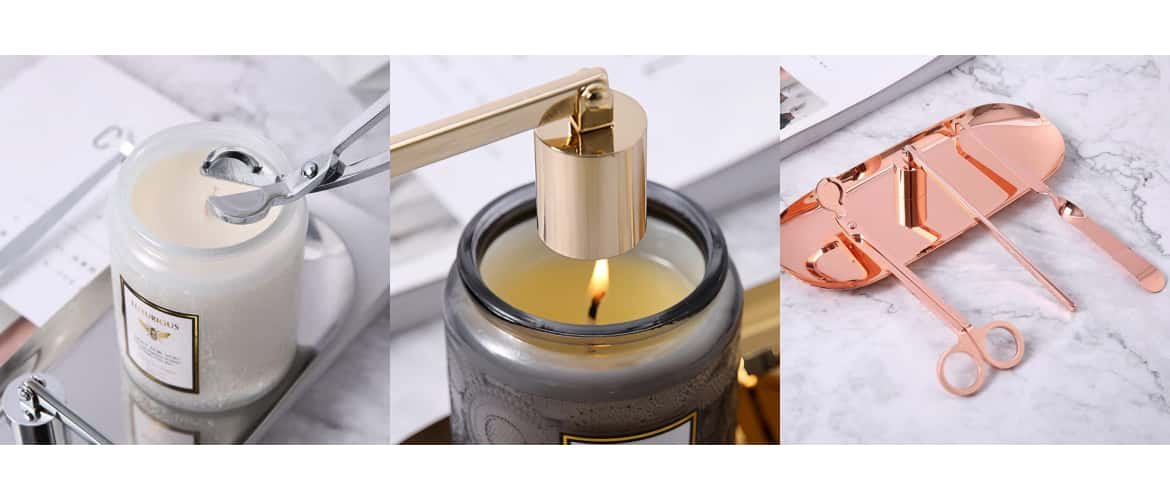
The foundation of safe daily use is the non-negotiable 4-Hour Maximum Burn Rule. This is supported by a mandatory pre-light wick trim, secure placement on heat-proof surfaces with ample clearance, and a strict policy of never leaving a burning candle unattended.
The Comprehensive Daily Candle Safety System
Transform safety from a worry into a flawless routine. This protocol must be followed every single time a candle is lit.
Pre-Light Safety & Preparation Checklist
- Wick Preparation: Always trim the wick to ¼ inch (6mm) using a wick trimmer. A long wick produces a taller, sootier, and less stable flame.
- Container & Area Inspection: Check the jar for hairline cracks, deep soot stains, or heat damage. Ensure the candle is placed on a stable, non-flammable surface (stone, metal, ceramic) with minimum 30cm (12 inches) of clearance from all flammable materials (curtains, books, decor).
- Draft Check: Position the candle away from open windows, air vents, fans, or high-traffic walkways to prevent uneven burning and flickering.
During-Burn Operational Rules
- The 4-Hour Timer Rule: Set a physical or phone timer. Extinguish the candle at the 4-hour mark to prevent the container and wax from overheating, which can cause cracking, flare-ups, or fragrance oil breakdown.
- Constant Supervision: Never leave a burning candle unattended. If you leave the room, extinguish it. Never move a candle while it is lit or the wax is liquid.
- Access Control: Keep burning candles out of reach of children and pets. Consider using enclosed lanterns or candle warmers in households with young children or active animals.
Post-Burn & Maintenance Protocol
- Safe Extinguishing: Use a candle snuffer or carefully dip the wick into the melted wax and re-center it. Blowing out a candle can spray hot wax and cause the wick to glow and smoke.
- Cool-Down Period: Allow the candle to cool completely (at least 2 hours) before moving it or attempting to clean it.
- Ongoing Maintenance: Once cooled, wipe the inside rim of the jar to remove soot buildup. Keep a simple log for frequently used candles to track burn hours and schedule replacements.
Curious About Pairing Candles with Different Times of Day?
Implement a daily scent schedule: use bright, citrusy notes to energize mornings, clean green/herbal scents to sustain afternoon focus, warm, spicy, or woody aromas to facilitate evening relaxation, and soft, floral, or musky notes to prepare the mind and body for sleep.

Chrono-Scenting—Using Aroma as a Temporal Guide
Your sense of smell can be a powerful tool for structuring your day and supporting your natural energy cycle. This is about intentional cueing, not random selection.
The Ideal Chrono-Scenting Schedule
| Time Block | Physiological & Mental State | Ideal Scent Profiles | Implementation & Ritual Purpose |
|---|---|---|---|
| Morning (6 AM – 12 PM) | Waking from sleep, needing mental clarity, energy, and a positive launch. | Lemon, Grapefruit, Eucalyptus, Rosemary. | Light a candle during your morning routine (coffee, breakfast). Clears sleep inertia, boosts alertness, sets a productive tone. |
| Afternoon (12 PM – 5 PM) | Post-lunch energy dip, requiring sustained concentration and combatting mental fatigue. | Pine, Cypress, Green Tea, Spearmint. | Reignite or switch to a focus scent after lunch. Provides a clean, alert aroma that maintains cognitive sharpness without overstimulation. |
| Evening (5 PM – 9 PM) | Transition from productivity to personal time, seeking comfort, decompression, and social connection. | Sandalwood, Amber, Vanilla, Cardamom. | Light your primary “evening ambiance” candle. Signals the shift from “doing” to “being,” promoting relaxation and warmth. |
| Night (9 PM onwards) | Preparing for sleep; the body is winding down, melatonin production increases. | Lavender, Chamomile, Cedarwood, Soft Musk. | In the bedroom only, burn a very lightly scented candle for a maximum of 1 hour before bed. Use low light. Triggers relaxation response and sleep readiness. |
Practical Implementation Strategies
- The Simplified Two-Candle System:
- Day Candle: A bright citrus or herbal scent for your home office or main living area during daylight hours.
- Night Candle: A warm, deep, or calming scent for evening use in living spaces, with a separate, ultra-subtle version for the pre-sleep bedroom ritual.
- The “Scent Transition” Ritual: Make the conscious act of extinguishing your “day” candle and lighting your “evening” candle a tangible ritual. Perform it at a consistent trigger point, like finishing work or starting dinner, to psychologically demarcate the change in day phase.
- Seasonal Adaptation: Your schedule can flex with the seasons. Your evening sandalwood in winter might become a lighter “Sea Salt & Sage” in summer. The principle remains: align bright, uplifting scents with daylight hours and warm, grounding scents with diminishing light.
By thoughtfully curating scents to match the time of day, you harness your environment to naturally support your body’s rhythms, making each part of the day feel distinct, purposeful, and sensorily enriched.
Conclusion
Incorporate scented candles into daily life through intentional design: craft a cohesive scent map for your home, use specific aromas as tools for psychological regulation, adhere to an uncompromising safety system, and align your fragrance choices with the natural chronology of your day. This holistic approach transforms candles from passive objects into active components of a more mindful, joyful, and elevated daily experience.