Scented Candle Manufacturer & Supplier



Do Scented Candles Cause Health Issues?
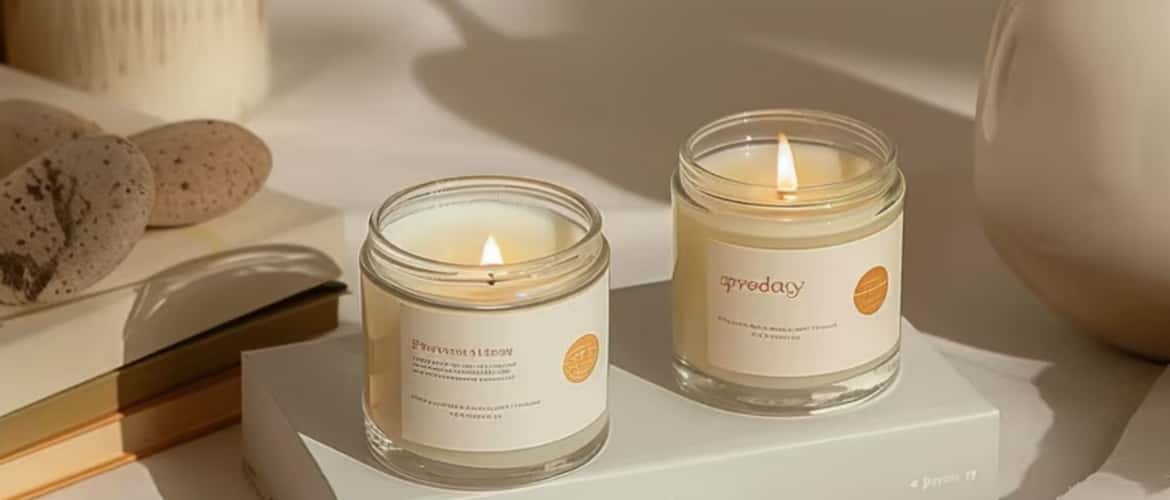
While business buyers aim to create ambiance with scented candles, many worry about potential scented candles health risks—such as indoor air pollution and respiratory irritation—that could compromise both customer satisfaction and their own liability. Clients expect safe, pleasant products, yet undisclosed materials, synthetic additives, or improper usage often lead to hidden hazards, complaints, and even legal exposure.
This guide clarifies the real risks, compares materials like soy and paraffin, and provides a clear action plan to source and use candles safely.
For B2B buyers, scented candles pose minimal health risks when made from natural waxes (like soy), use phthalate-free fragrances, and are burned correctly with proper ventilation. Prioritizing ingredient quality and user education is key.
Let’s examine the core questions. We’ll separate fact from fear and give you practical steps for your business.
Are Soy Wax Candles Safer Than Paraffin Wax? What’s the Real Difference?
You need to choose a safe wax base but face conflicting claims about soy and paraffin.Misinformation makes sourcing confusing, potentially exposing your clients to unnecessary risk.A direct comparison of emissions and composition reveals why soy wax is the safer, more responsible choice for commercial use.
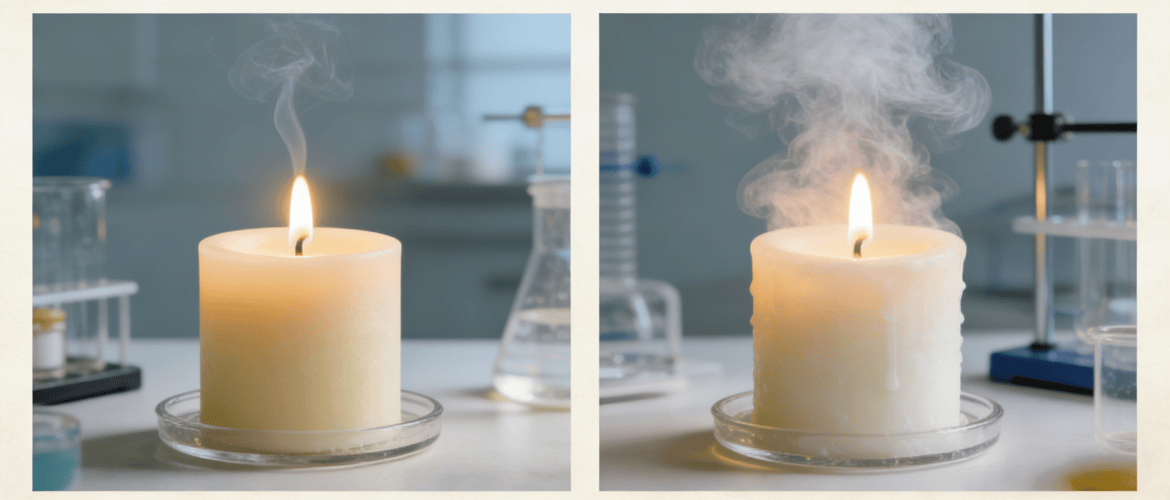
Soy wax burns cleaner than paraffin, producing significantly less soot and no known carcinogens like benzene. It is a non-toxic, renewable material preferred for hotels, spas, and wellness centers.
Composition, Combustion, and Commercial Verification
The debate is rooted in chemistry, not just marketing. Understanding what happens when wax burns allows you to make informed choices and verify supplier claims.
The Science of Burn: Emissions Explained
All candle combustion releases byproducts that can relate to scented candles health risks. For example, paraffin—a petroleum-based wax—may release compounds like toluene and benzene during incomplete combustion. These are classified as VOCs (Volatile Organic Compounds) and, in high concentrations, pose recognized health concerns. In contrast, soy wax is made from hydrogenated soybean oil (triglycerides) and burns much cleaner. Its primary emissions are carbon dioxide and water vapor, with significantly reduced soot and harmful byproducts.
Verifying Safety: A Buyer’s Checklist
“Safer” doesn’t mean “zero-risk.” It means significantly reduced potential for harm. For buyers, verification is crucial.
- Request Certifications: Ask suppliers for Certificates of Analysis (COA) or statements confirming 100% soy wax content, avoiding “blends” that may contain paraffin.
- Ask for Wick Details: Ensure wicks are lead-free and made of cotton or wood, not metal-core, which can increase particle emissions.
- Understand Additives: Some additives (like stearic acid) are used for texture. Ask what additives are used and request safety data.
Soy vs. Paraffin: A Direct Emission Comparison
Use this table to evaluate supplier materials and guide client conversations:
| Emission & Property | Soy Wax Candle | Paraffin Wax Candle | Business Implication |
|---|---|---|---|
| Primary Soot | Minimal, white/grey soot. | Significant, black carbon soot. | Less cleaning for clients; better for air quality in enclosed spaces. |
| Benzene/Toluene | Not typically detected. | Trace amounts possible. | Eliminates a key concern for health-conscious venues (e.g., spas, hospitals). |
| General VOCs | Lower overall emissions. | Higher overall emissions. | Reduces potential for headaches/irritation in guests or customers. |
| Source Material | Renewable (Soybeans). | Non-renewable (Petroleum). | Aligns with corporate sustainability (ESG) goals and consumer demand. |
| Biodegradability | Biodegradable. | Not biodegradable. | Simplifies disposal and enhances eco-friendly brand messaging. |
The business case is clear when addressing scented candles health risks. While both wax types can be used, soy wax offers a demonstrably lower risk profile. Choosing soy wax not only aligns with growing consumer demand for clean, green products but also future‑proofs your line against tightening health and safety regulations. This shift represents a tangible step toward creating safer indoor environments for your clients and their customers.
Can Fragrance Oils Trigger Allergies or Asthma? How to Manage Sensitivity Risks.
Your clients want captivating scents but need to protect sensitive customers from allergic reactions.Synthetic fragrances are complex and can cause issues, harming a venue’s reputation.By understanding fragrance composition and offering transparent, low-irritant options, you can mitigate risks effectively.
Yes, synthetic fragrance oils can contain allergens and irritants that may trigger reactions. Opting for natural plant-based fragrances and mastering the correct methods of using aromatherapy can significantly reduce such risks.
Deconstructing Fragrance and Building a Safe Scent Strategy
“Fragrance” is typically a blend of dozens of chemical compounds. For sensitive individuals, these can be irritants or asthma triggers. Your role is to curate and communicate.
The Chemistry of Sensitivity
Common culprits in synthetic fragrances include:
- Phthalates: Used as fixatives to make scents last longer. Some are known endocrine disruptors.
- Synthetic Musks: Persistent in the environment and can cause skin sensitization.
- Limonene & Linalool: Pleasant citrus/floral scents that can oxidize into airborne irritants.
These compounds vaporize when burned. For some, this can cause sneezing, itchy eyes, or airway constriction. It’s often a sensitivity, not a true allergy, but the effect is the same.
Building a Low-Risk Fragrance Portfolio for Your Business
Mitigation is multi-layered. Implement these strategies:
- Source Phthalate-Free Oils: Demand written confirmation from your supplier. This is the single most important step for synthetic scents.
- Offer Essential Oil Blends: Pure essential oils are derived from plants. Caution: Some individuals are sensitive to specific essential oils (e.g., cinnamon, strong citrus).
- Provide Unscented Lines: A must-have for hospitals, doctor’s offices, and some hotel chains.
- Insist on Clear Labeling: Products should state “Phthalate-Free Fragrance Oil” or “Scented with Pure Essential Oils.” Transparency builds trust.
- Recommend Ventilation: Always advise clients to burn candles in well-ventilated areas. This dilutes any potential irritants.
Managing Fragrance Risk: A Decision Framework
Use this guide when selecting or recommending scents for different commercial settings:
| Client Venue / Need | Recommended Scent Strategy | Key Rationale |
|---|---|---|
| Wellness Centers & Spas | Pure essential oil blends (e.g., Lavender, Sandalwood) or very light, natural fragrance oils. | Aligns with holistic, clean brand ethos. Minimizes risk for clients in relaxed, vulnerable states. |
| Hotels & Bedrooms | Mild, universally pleasing scents (Vanilla, Clean Cotton). Offer unscented in “allergy-free” rooms. | Avoids disrupting sleep or causing morning irritation for guests. Provides choice. |
| Restaurants & Cafés | Subtle, food-complementary scents (Citrus, Herbal). Avoid heavy florals or gourmands near dining. | Prevents scent from interfering with taste or causing headaches during meals. |
| Retail Stores | Stronger, brand-defining scents are acceptable,Monitor customer feedback. | Creates memorable experience while reducing liability from customer or employee sensitivity. |
By proactively managing fragrance risks, you transition from a simple supplier to a trusted advisor. You provide not just a product, but peace of mind, helping your clients create welcoming environments that are safe for everyone.
Do Candles Emit VOCs, Soot, or Carcinogens? Putting Emission Risks in Perspective.
Problem: Alarming headlines claim candles pollute indoor air with dangerous chemicals, creating fear and uncertainty.
Agitate: You need to reassure clients and make data-driven decisions, but lack clear, comparative information.
Solution: Examining the type, scale, and context of emissions reveals that risks are low and manageable with informed choices.
All burning candles emit some VOCs and soot. Paraffin candles may release trace carcinogens like benzene. However, emissions from a properly burning, natural wax candle in a ventilated space are minimal and pose negligible risk compared to common activities like cooking.

Quantifying Emissions and Contextualizing Risk for Business
Fear often stems from a lack of context. Let’s quantify emissions and compare them to everyday activities to provide clear talking points for your clients.
Breaking Down the Three Key Emissions
- VOCs (Volatile Organic Compounds): A large family of carbon-based chemicals. The fragrance oil is the primary source of VOCs in a scented candle. Proper wick trimming and avoiding drafts are critical, as a flickering flame increases VOC production.
- Soot (PM2.5): Fine black particulate matter from incomplete combustion. Paraffin wax produces significantly more soot than soy or beeswax. Inhaling high levels can irritate lungs. Good burning practices are the best control.
- Carcinogens (e.g., Benzene): Some studies have detected trace amounts in paraffin emissions. The key words are “trace” and “detected.” The levels found are extremely low—often in the parts-per-billion range—and studies replicating normal home use show negligible risk. Choosing soy wax eliminates this source entirely.
Context is Everything: Candle Emissions vs. Everyday Activities
To assess real-world risk, compare candle use to other common indoor pollution sources. This perspective is powerful for client communication.
| Pollution Source | Typical Emission Level (Relative) | Practical Risk in a Commercial Setting |
|---|---|---|
| Commercial Kitchen (Frying) | Very High | High. Requires powerful ventilation systems. |
| Fireplace or Wood Stove | Very High | High. Not used in most commercial spaces. |
| Cleaning with Aerosol Sprays | High | Moderate. Common in hotels/restaurants; requires care. |
| New Furniture or Carpets (Off-gassing) | High (initially) | Moderate. A known issue in new builds/renovations. |
| Burning a Paraffin Candle | Low to Moderate | Low. Becomes very low with proper ventilation and wick care. |
| Burning a Soy Wax Candle | Very Low | Negligible. An acceptable risk for almost all environments. |
The conclusion is reassuring. With responsible product selection and use, candles are a safe source of ambiance. Their emission contribution to indoor air is minor. Your expertise helps clients use them wisely, turning a potential concern into a non-issue.
How Can Businesses Reduce Candle-Related Health Risks? A Practical Action Plan.
You bear responsibility for product safety in relation to scented candles health risks, yet you control only part of the supply chain. Even with safer materials, misuse by end‑users—such as prolonged burning, poor ventilation, or ignoring safety labels—can still lead to problems, damaging your brand’s reputation and creating liability exposure. That’s why a comprehensive risk‑management strategy is essential. It should span responsible sourcing, clear warning labels, user education, and proactive client partnership to ensure safety is maintained from production through to use.
Businesses must source from reputable suppliers using natural waxes and clean fragrances. They must then educate end-users through clear labeling and guidelines on proper burning, ventilation, and placement to minimize any residual risks.

Framework for Total Risk Mitigation
Safety is a shared responsibility. Your job is to provide the safest possible product and the knowledge to use it correctly. This framework covers the entire journey from your supplier to your client’s customer.
Comprehensive End-User Education
Most risks arise from misuse. Provide this information on hangtags, your website, and in training materials for commercial clients.
The Essential Safe Burning Guide for Clients:
| Do’s | Don’ts | Why It Matters |
|---|---|---|
| Trim wick to 1/4″ before each use. | Never let the wick get too long or curled. | Prevents sooty, oversized flames and excessive emissions. |
| Burn in a well-ventilated room. | Don’t burn in a tiny, sealed bathroom. | Ensures fresh air circulation, diluting any emissions. |
| Allow wax to melt fully to edges on first burn. | Don’t extinguish a candle before the top layer is fully liquid. | Prevents “tunneling,” which wastes wax and reduces scent throw. |
| Burn for no more than 4 hours at a time. | Avoid marathon burning sessions. | Prevents the container from overheating and maintains oil integrity. |
| Place on a stable, heat-resistant surface. | Keep away from drafts, kids, pets, and flammables. | Prevents fire hazards and accidental spills. |
| Stop use when 1/2″ of wax remains. | Don’t burn all the way to the bottom. | Prevents the container from cracking or overheating. |
Special Protocols for Commercial Venues
For hotels, restaurants, and event planners, go further:
- Staff Training: Brief housekeeping/event staff on the safe burning guide above.
- Votive/Pillar Candle Care: Establish a routine for trimming wicks on reusables.
- Placement Policy: Avoid placing candles directly under smoke detectors or sprinklers.
- Scent Zoning: Use stronger scents in large, high-ceiling lobbies; use light or no scent in small treatment rooms or near food.
By implementing this plan, you do more than sell a candle. You provide a complete, safety-conscious solution. This reduces liability, boosts client confidence, and establishes your brand as a knowledgeable, responsible leader in the industry.
Conclusion
Scented candles are safe when made responsibly and used correctly. For B2B buyers, prioritizing natural soy wax, clean fragrances, and clear user guidelines effectively minimizes any health risks.